Dolmen Wisdom in Tomsk: Soul-Led Practices for a Space of Love and Conscious Living
In the hush of the Siberian taiga and along the bend of the Tom River, you can learn to listen to a deeper voice — the Soul. Inspired by the timeless symbolism of the Dolmen Sages, these teachings are adapted for modern life in Tomsk: a practical, tender approach to spiritual education, meditative practice, and creating a living Space of Love. This guide offers gentle practices you can weave into daily life, study with friends, or bring to small community circles.
The spirit of the Dolmen Sages — simple, steady, wise
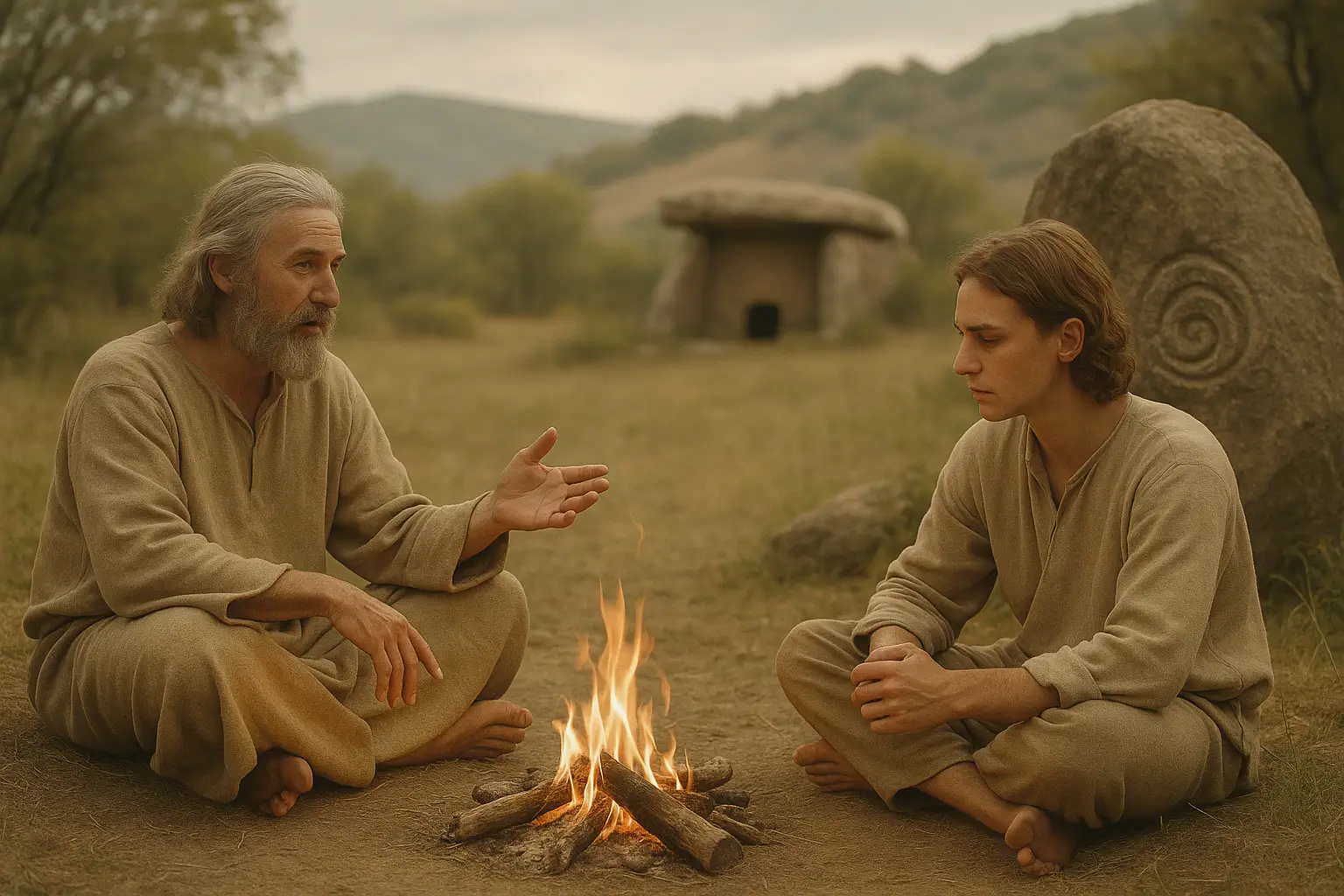
The dolmens are ancient stone thresholds — places of gathering, remembrance, and passage. Taken as a metaphor, «Dolmen Wisdom» invites:
— *Presence*: being steady and rooted like stone.
— *Threshold work*: learning to move from one stage of life to the next with intention.
— *Collective care*: holding space for others and for the land.
— *Soul listening*: cultivating an inner guidance that comes from stillness rather than from noise.
Use these qualities as a spine for practice in Tomsk: urban rhythm balanced by Siberian quiet.
Creating your Space of Love (a step-by-step)
A Space of Love is a dedicated physical and energetic place — at home, outdoors, or in a community hall — for practice, healing, and honest connection.
1. Choose a small, consistent place
— A corner of a room, a balcony facing the river, a bench in a quiet park, or the shade of old pines near the embankment by the Tom River.
2. Clear and protect
— Physically declutter. Burn a natural incense or dry spruce sprig and walk around the space with the intention of clearing.
3. Anchor with a stone
— Place a smooth stone or small natural object as your dolmen token. Touch it when you enter the space to center.
4. Light and scent
— Use a candle or soft lamp and a subtle scent (pine, cedar, or unscented beeswax). Keep fire safety in mind.
5. A simple altar
— Add a journal, a cup for water, a small bowl of earth or river sand, and a piece of cloth in a colour that calms you.
6. Gentle rules
— Decide: silence for the first 10 minutes, phone off or face-down, shoes removed. Treat it as sacred.
Daily Soul Practices (10–30 minutes)
Short, repeatable habits create deep change.
— Morning «Stone-Breath» (5–8 minutes)
— Sit with your stone. Breathe in for 4 counts, hold 2, out for 6. On the out-breath, imagine any tension sinking into the stone.
— Midday Grounding (3–5 minutes)
— Stand barefoot on earth or feel the floor beneath you. Name three things you are grateful for in the present moment.
— Evening Reflection (10–15 minutes)
— Journal in three columns: What did my Soul want today? Where did I listen? What can I gently adjust tomorrow?
A guided meditation for Soul-Discovery (12 minutes)
— Begin: Sit comfortably, allow the spine to be straight. Place the palm on your chest and one on your belly.
— 1–2 minutes: Slow your breath; count gently if needed.
— 2–4 minutes: Picture a small doorway carved in stone by a riverbank. This is your dolmen doorway. Approach it slowly.
— 4–7 minutes: Place your hand on the doorway. Ask your Soul one simple question: “What do I need now?” Listen without thinking.
— 7–10 minutes: Receive a symbol, image, or feeling. Don’t force words; let impressions come.
— 10–12 minutes: Thank the doorway, step back, bring your hands to your heart, and breathe three full, grateful breaths.
Tip: Keep a small notebook to record symbols or phrases that arise. Over weeks you’ll notice patterns.
Weekly rhythm for deeper unfolding
— Monday: Intention setting — what holds your attention this week?
— Wednesday: Mid-week check-in with 15-minute meditation and breathwork.
— Saturday: Community circle or solo ritual (30–60 minutes) — light candle, read a short passage from an inspired text, share or journal.
— Sunday: Nature day — walk along the Tom River or in a pine grove, practicing slow, listening steps.
Group practices and community in Tomsk
— Small circles (6–12 people) are ideal: reading, meditating, and sharing with confidentiality.
— Public places to consider: river embankment at sunrise/sunset, quiet university gardens, or rented small halls near the historic wooden districts.
— Keep sessions seasonal and tuned to the land: winter retreats with warm drinks and breath practices; summer outdoor morning meditations.
Ritual elements inspired by the dolmen tradition
— Stone-giving: exchange small stones as a promise of witnessing one another’s path.
— Threshold ceremony: step into a marked space together to close a life chapter (end of study, relationship shift, personal vow).
— Seasonal blessing: set intentions during vernal or autumn equinox, aligning inner work with nature’s cycles.
Living consciously in Tomsk — daily habits
— Slow your commute: use a portion of the walk to the tram as a mindful minute.
— Local foods as ritual: savour a warm bowl of kasha or herbal tea as a gratitude practice.
— Study and reflection: rotate short readings from poets, Sufi stories, or local wisdom alongside Dolmen-inspired texts.
— Service: contribute time to a university mentorship, park cleanup, or a neighbor check-in — consciousness is practical love.
For teachers and facilitators
— Begin with safety: emotional readiness, clear agreements, and confidentiality.
— Balance structure with silence. Offer practices, then allow extended listening.
— Use local language and imagery — references to the Tom River, Siberian birch, and Tomsk wooden architecture help root universal teachings in place.
Simple ethical guide (inspired by ancient teachings)
— Speak truthfully, kindly, and sparingly.
— Honor the quiet and respect the land.
— Hold the other’s growth as sacred; do not impose outcomes.
— Put daily practice before perfection.
Resources and next steps
— Start by creating one small Space of Love at home.
— Try the guided meditation above three mornings in a row and note changes.
— Invite a friend for a two-hour circle: share practices, read aloud, and practice the stone-giving ritual.
— Observe the seasons: plan a small seasonal ceremony to anchor your learning.
—
Tomsk offers a unique mix of academic curiosity, historic warmth, and Siberian stillness — perfect soil for Dolmen-inspired soul work. Begin with small, steady steps. In time, your private Space of Love will ripple outward, steadier and wider, like a stone set into a living riverbank.
If you’d like, I can draft:
— A 4-week course outline for beginner Soul discovery sessions in Tomsk.
— A printable one-page ritual card for your Space of Love.
— A guided audio script tailored to winter evenings in Siberia. Which would you prefer?