Introduction
In the quiet rhythm of the Tom River and the breath of the Siberian taiga around Tomsk, ancient wisdom meets modern longing. Inspired by the Dolmen Sages — archetypal keepers of threshold-knowledge and soul-remembering — these teachings invite a simple, soulful life: meditations that open the inner temple, practices that create a Space of Love, and ways to live more consciously in everyday moments.
Who are the Dolmen Sages?
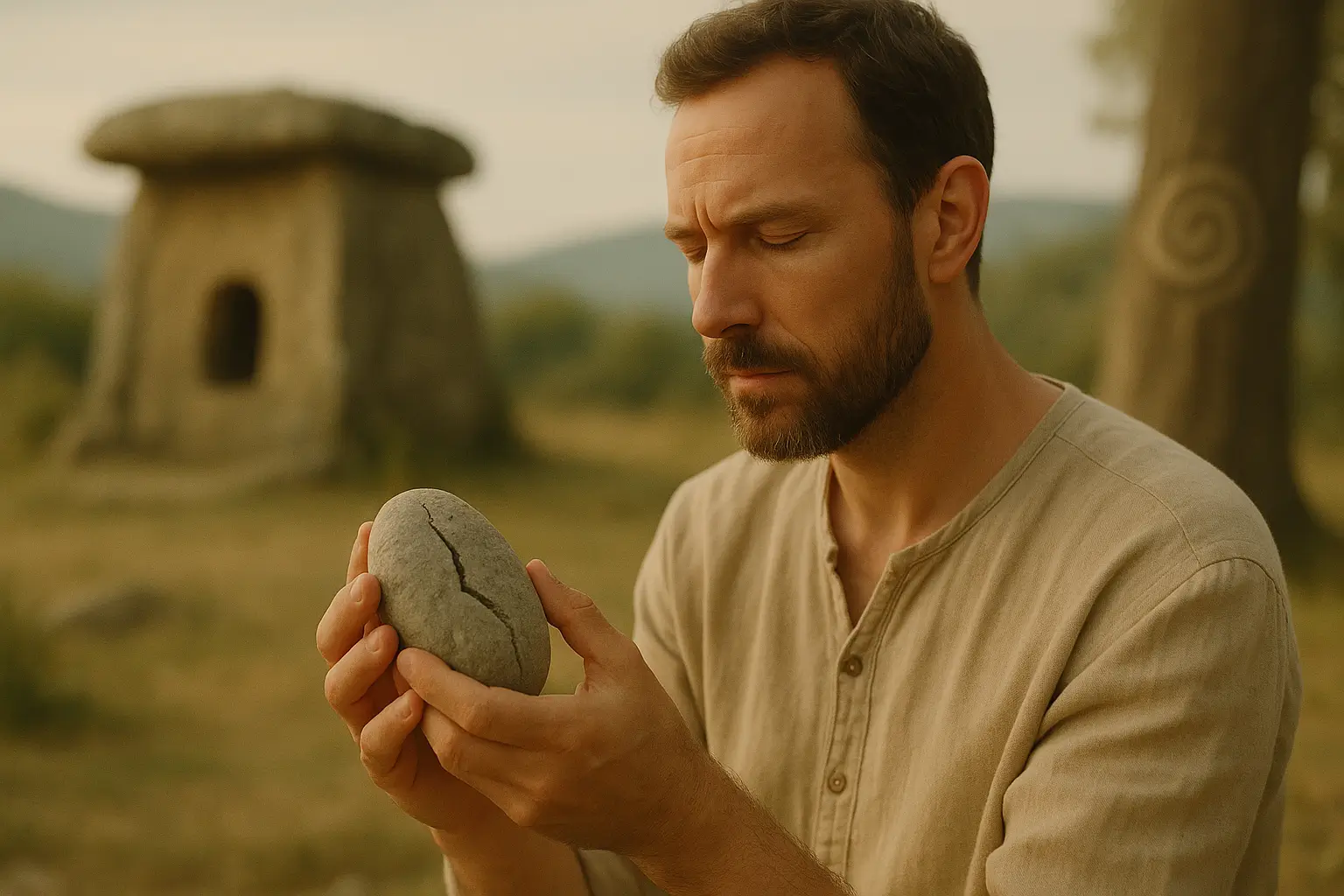
The Dolmen Sages are a symbolic lineage — guardians of passageways between the visible and the unseen. Their wisdom is less about doctrine and more about orientation: how to move from *doing* to *being*, how to listen to the Soul, and how to honor thresholds (beginnings, endings, and the everyday portals between them).
Core Principles to Live By
— *Soul-led discovery*: Let the Soul, not the mind alone, guide small choices and daily rhythms.
— *Sacred thresholds*: Honor moments of transition (sunrise, meals, leaving/arriving) as portals for intention.
— *Nature attunement*: Use the taiga, river, and seasons of Tomsk as mirrors for inner states.
— *The Space of Love*: Craft environments—internal and external—that radiate safety, gentleness, and clarity.
— *Conscious simplicity*: Choose what nourishes and release what drains.
Practices and Meditations (for Tomsk life)
Below are practical, place-sensitive practices you can weave into city and seasonal life.
Morning Soul Alignment (5–10 minutes)
— Sit facing a window or the Tom River if possible.
— Breathe slowly for ten cycles: inhale 4, hold 2, exhale 6.
— Ask silently: “What does my Soul ask of me today?” Wait three breaths for a first impression.
— Offer a single, simple intention (one sentence). Carry it with you.
River Threshold Meditation (10–20 minutes)
— Walk to a quiet stretch of the Tom River or a lakeside spot.
— Stand with feet grounded; notice the river’s sound. Imagine your life as a shoreline — what arrives, what recedes.
— Visualize a smooth dolmen stone: solid, welcoming, timeless. Place your intention on that stone. Let it be held.
Cedar Breath (2–5 minutes)
— Use a small cedar or pine sprig, or light a cedar-scented candle.
— Breathe in the scent slowly, imagining the lungs filling with ancient forest. Exhale and release tension. Repeat until you feel steadier.
Inner Dolmen Visualization (15 minutes)
— In a quiet room, sit comfortably. Close your eyes. Picture a low, stone portal warmed by the sun.
— Approach, notice carvings or moss, and step through into a space of gentle light. Ask a question to your Soul. Wait for images, feelings, or words. Thank and return slowly.
Creating a Space of Love — Practical Steps
A Space of Love is both physical and energetic. You can create one at home, in a community room, or outdoors.
— Clear with intention: remove clutter; leave surfaces that breathe.
— Choose a simple focal point: a stone, a bowl of water, fresh branches from the taiga, or a candle.
— Lighting: soft lamps or candles, avoiding harsh fluorescents.
— Textures: add a warm blanket, cushions, wooden elements.
— Scent: cedar, pine, or clean linen.
— Agreements: if shared, create gentle rules (no phones, soft voices, start and end on time).
— Ritual of opening: light something, ring a small bell, or speak an opening phrase together.
— Ritual of closing: express gratitude, put things away with care.
Seasonal Adaptations for Tomsk
— Winter: shorter meditations, more inward practices, hearth or candle-based rituals, snow-walking with mindful steps.
— Spring: river meditations, decluttering, planting small seeds (even in a windowsill).
— Summer: outdoor gatherings by the river or in pine clearings, sunrise practices.
— Autumn: letting-go rituals, journaling, warm breath-work.
A 7-Day Starter Program
Day 1 — Create a tiny altar (stone, candle, a written intention); do Morning Soul Alignment.
Day 2 — River Threshold Meditation (or river visualization if indoor).
Day 3 — Cedar Breath and a short gratitude list (5 things).
Day 4 — Quiet walk in the taiga or park; practice sensory noticing for 20 minutes.
Day 5 — Inner Dolmen Visualization; write one insight.
Day 6 — Invite a friend to share a Space of Love for 30 minutes (tea and silence).
Day 7 — Reflect: what changed? Set a weekly rhythm to continue one practice.
Bringing This Into Community in Tomsk
— Host small gatherings in neutral, accessible places — a community hall, a warm apartment, or a riverside clearing.
— Offer sessions by donation; keep inclusivity as a guiding value.
— Partner with local herbalists, musicians, or elders to root practices in local wisdom.
— Respect public spaces: leave no trace and seek permissions when needed.
Ethics and Respect
— The Dolmen Sages’ model is inspired symbolism, not a claim to specific indigenous practices. Honor local histories and living traditions.
— Always ask consent before sharing personal rituals or offering guidance.
— Work gently with grief and inner wounds; for deep trauma, seek trained professionals.
Closing Invitation
In Tomsk’s long light and deep winters, the Soul’s voice can be heard between river ripples and fir boughs. Begin small, choose one practice, and allow the Space of Love you cultivate to ripple outward. The Dolmen Sages remind us: thresholds are invitations. Step through with curiosity, tenderness, and a steady breath.