Introduction
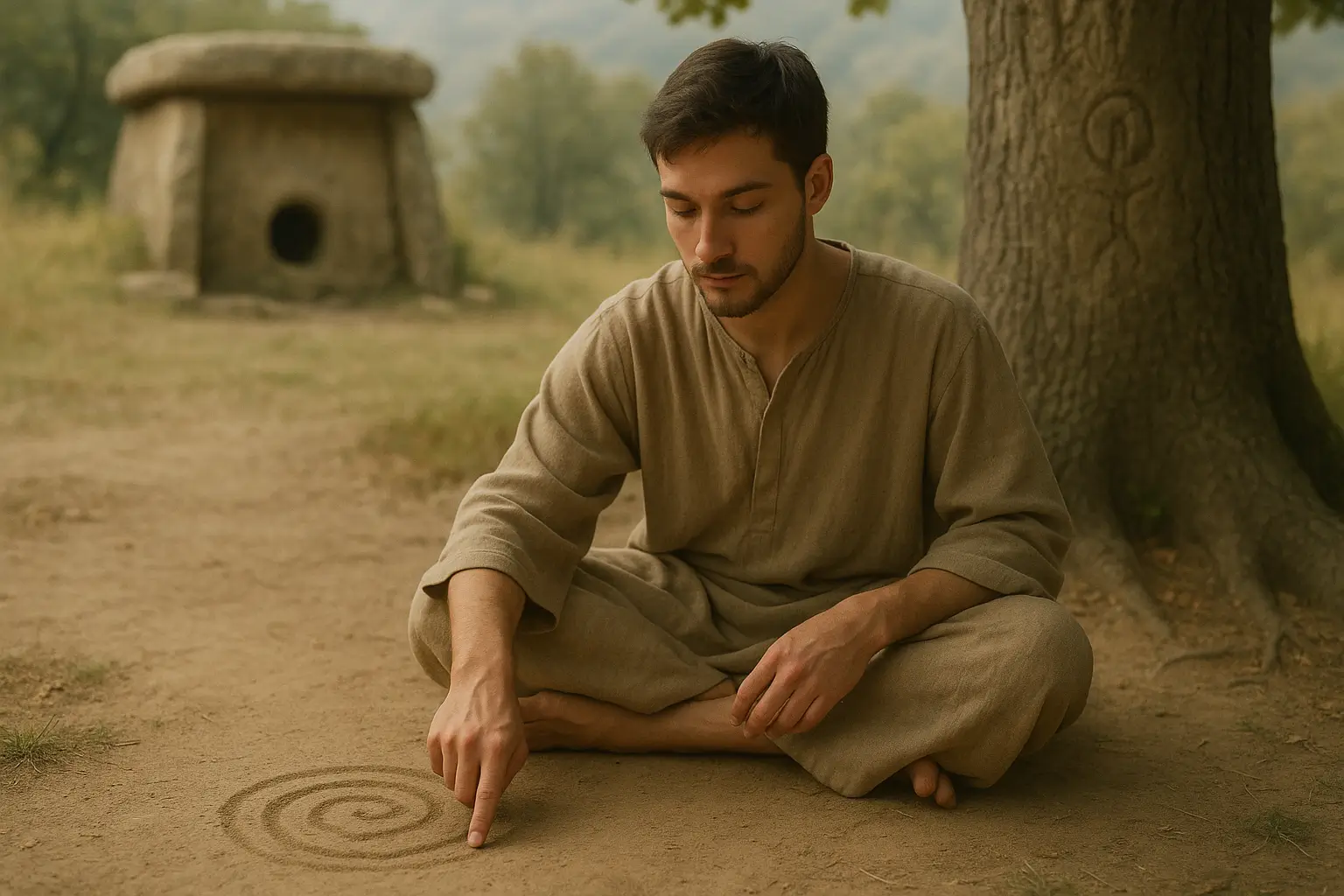
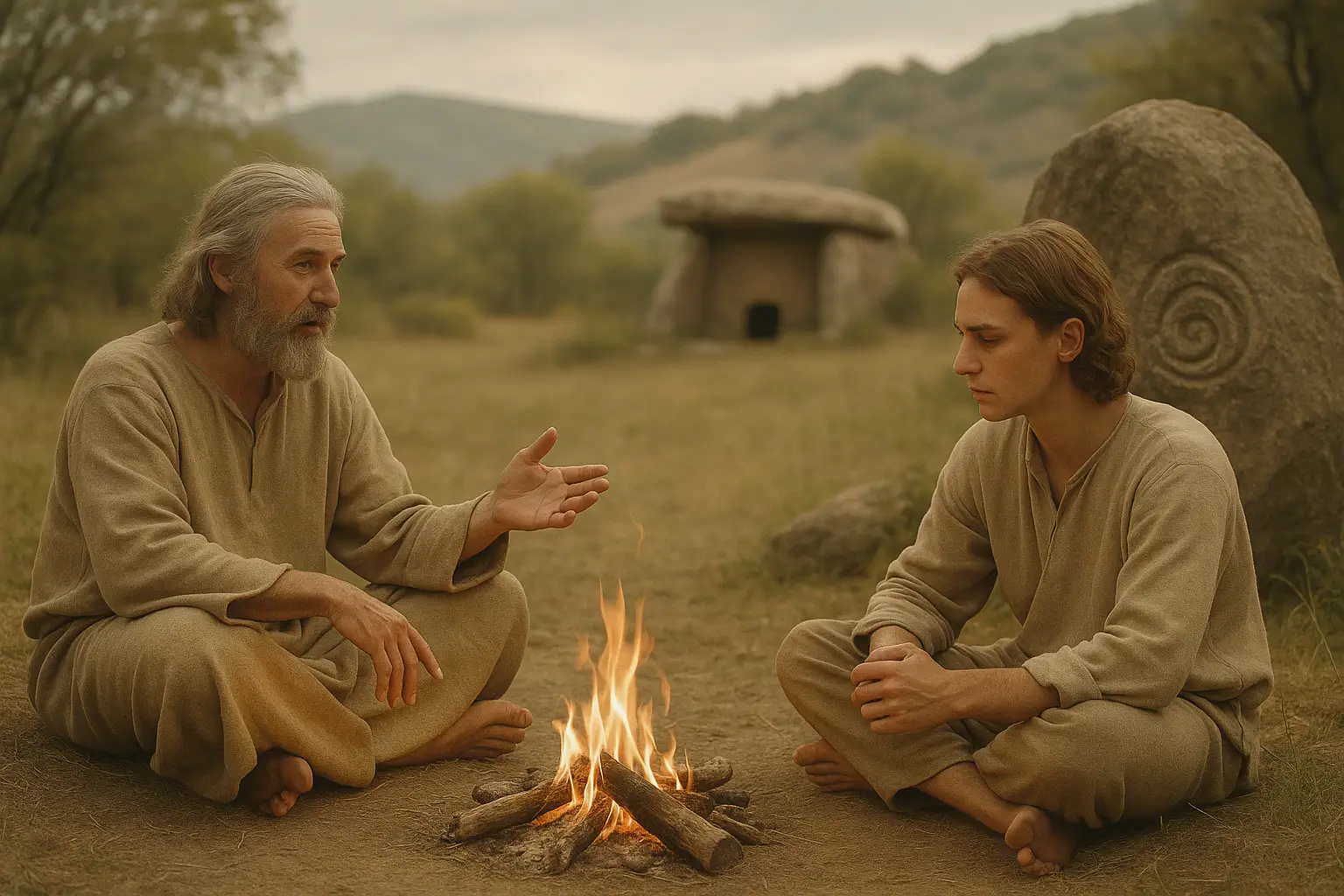
In the quiet hush of Siberian pines and along the gentle bend of the Tom, a different kind of schooling is possible — one taught by silence, stone, and the remembered movements of the heart. Inspired by the wisdom of the Dolmen Sages, this guide offers a way to study the Soul: ancient teachings translated into everyday practices, meditations, and ways of creating a Space of Love in Tomsk. Whether you live in a wooden house near the city center or a dacha by the forest, these paths are practical, gentle, and rooted in conscious living.
The Dolmen Sages: Myth, Memory, and Meaning
— The Dolmen Sages are archetypal teachers — guardians of megalithic wisdom, rites, and rhythms that honor the body, the earth, and the unseen.
— Their teachings emphasize listening: to the body, the land, and the slow voice of the Soul.
— Use them as inspiration rather than historical fact: their archetypal language maps onto contemporary inner work and local Siberian landscapes.
Core Principles for Soulful Education
— *Attention:* Cultivate steady presence; attention is the soul’s practicing hand.
— *Sacred Simplicity:* Small daily rituals matter more than grand gestures.
— *Nature Communion:* The taiga, the river, and the seasons are living classrooms.
— *Relational Heart:* Grow a Space of Love — with self, with others, and with place.
— *Conscious Action:* Inner shifts translate into ethical, embodied choices.
Daily Practices — Simple, Lived, Deep
— Morning Grounding (5–10 minutes)
— Sit by a window or step outside. Place one palm on your chest, one on your belly.
— Breathe slowly for five minutes: inhale through the nose for 4 counts, hold 2, exhale 6.
— Whisper an intention: “Today I listen,” or “Today I give myself kindness.”
— Midday Soul Pause (3–7 minutes)
— Close your eyes. Notice sensations from feet to crown.
— Offer gratitude for one small thing — a warm cup of tea, a clearing sky over Tomsk, a friend’s message.
— Evening Return (10–15 minutes)
— Journal three lines: what moved me today, what I learned, one thing I forgive.
— Light a candle (or a small bowl of water in winter) and say: “I rest into learning.”
Meditations Inspired by the Dolmen Sages
— Stone-Listening Meditation (10–15 minutes)
— Find a comfortable seat or hold a small stone. Imagine the stone’s slow patience and deep memory.
— Breathe into the chest and listen for one word or image. Do not force content — simply receive.
— River-Breath (10 minutes)
— Visualize the Tom flowing past a bend. With each inhale, feel the river gathering; with each exhale, feel it letting go.
— Use this rhythm to observe emotions as currents rather than truths.
Creating a Space of Love — Your Local Practice
— Choose a place
— A window with river light, a corner of a room, a wooden bench in a courtyard, or a pine-cleared spot near the forest.
— Keep it simple
— A small cloth, one candle or lamp, an object that represents your intention (a stone, a shell, a cup).
— Rituals to hold the space
— Set a regular time to open the space (morning or evening).
— Begin with three breaths, name an aim (healing, clarity, community), and close with thanks.
— Hospitality
— Offer tea, silence, or a reading when hosting others. Let conversations begin with a minute of silence.
— Boundaries
— Make clear the purpose and simple etiquette: phones off, listening, confidentiality when needed.
Group Practices and Community in Tomsk
— Gatherings can be small (6–12 people) and held in:
— A community center, a university seminar room, a riverside clearing, or a local tea house.
— Format ideas
— Opening breath and check-in (5–10 minutes)
— A short teaching or reading inspired by the Dolmen Sages (10–15 minutes)
— Guided practice or dyad exercises (15–25 minutes)
— Sharing circle and closing ritual (15–20 minutes)
— Seasonal cycles
— Host a spring planting intention on the banks of the Tom; hold autumn gratitude circles as leaves fall; mark the long winter nights with inner exploration sessions.
Practices for Conscious Living in Tomsk
— Move with the seasons
— In spring, focus on beginnings and movement; in winter, cultivate interior life and rest.
— Walk the city mindfully
— Use a short route (a favorite street of wooden houses, a riverside path) as a walking meditation: one foot, one breath.
— Community service as soul practice
— Volunteer at local shelters or cultural events; let action be an expression of inner learning.
— Slow consumption
— Choose local crafts, foods, and winter preparations that honor resources and the land.
A Short Guided Meditation (Script for 10 minutes)
1. Sit comfortably. Close your eyes. Feel your sitting bones and the support beneath you.
2. Take three slow breaths. Inhale through the nose; exhale a long, soft sigh.
3. Visualize a circle of stones. See their colors, textures, and stillness.
4. Imagine placing your intention at the center of the circle — a word, image, or feeling.
5. With each breath, feel the intention become clearer. Notice any resistance; breathe into it with kindness.
6. When the mind wanders, return to the image of the stones holding you.
7. After ten breaths, bring your hands to your heart and whisper, “May this intention be held.”
8. Open your eyes slowly. Take one moment of silence before moving.
Practical Program: A Weekend Retreat Outline for Tomsk
— Day 1 — Arrival, grounding walks by the Tom, introductory circle, evening fire or candle ritual.
— Day 2 — Morning meditations, teachings on the Dolmen wisdom, nature-based exercises, small-group sharing, creative silence.
— Day 3 — Integrative practices, commitment setting, community composting of intentions (symbolic release), closing.
For Teachers and Organizers
— Keep language inclusive and non-dogmatic.
— Offer translations of key teachings for Russian-language groups and spaces for silence for those who prefer minimal verbal instruction.
— Collaborate with local herbalists, woodworkers, and artists to root teachings in Tomsk’s material culture.
Closing Invitation
The Dolmen Sages teach us the basic lesson: wisdom is a practice, not an achievement. Here in Tomsk — between river and forest, winter and thaw — there is a landscape that answers the same call. Begin with five minutes a day, a single stone, and a small commitment to listening. Over time, the inner map alters: life becomes more lucid, relationships deepen,