Introduction
In the heart of Siberia, where the Tom River winds through birch and pine, there is a fertile soil for inner work. Tomsk’s wooden streets, quiet riverbanks, and wide skies invite reflection. Drawing inspiration from the archetypal wisdom of the Dolmen Sages—ancient teachers who listened to stones, stars, and the rhythm of life—we explore a practical, loving approach to spiritual education, meditations, and conscious living rooted in the Soul.
This article offers accessible practices you can cultivate in Tomsk to open to self-discovery, create a Space of Love, and live more consciously every day.
The Wisdom of the Dolmen Sages — Essence and Principles
The Dolmen Sages embody a timeless orientation to life that can be translated into modern practice:
— *Presence over perfection*: wisdom grows in attentive moments, not in achievements.
— *The Soul as compass*: inner experience and intuition guide ethical action and learning.
— *Sacred simplicity*: ordinary places and objects become teachers when approached with reverence.
— *Community and solitude*: balance communal rites with solitary reflection.
These principles can shape a spiritual education that is experiential, embodied, and suited to Tomsk’s rhythms.
Core Practices for Self-Discovery Through the Soul
Below are foundational practices adapted to everyday life in Tomsk. Start small and let curiosity lead.
— Grounding Walks by the Tom River
— Slow your pace. Breathe with each step. Notice the river’s sound, the birch bark, the winter hush or summer insects.
— Use a single-sense focus: for 10 minutes, attend only to sound, or only to touch.
— Quiet Listening Meditation (10–20 minutes)
— Sit comfortably, eyes softened. Breathe naturally and turn attention inward.
— Ask a gentle question: “What does my Soul want me to hear now?” Listen without forcing answers.
— Stone Practice
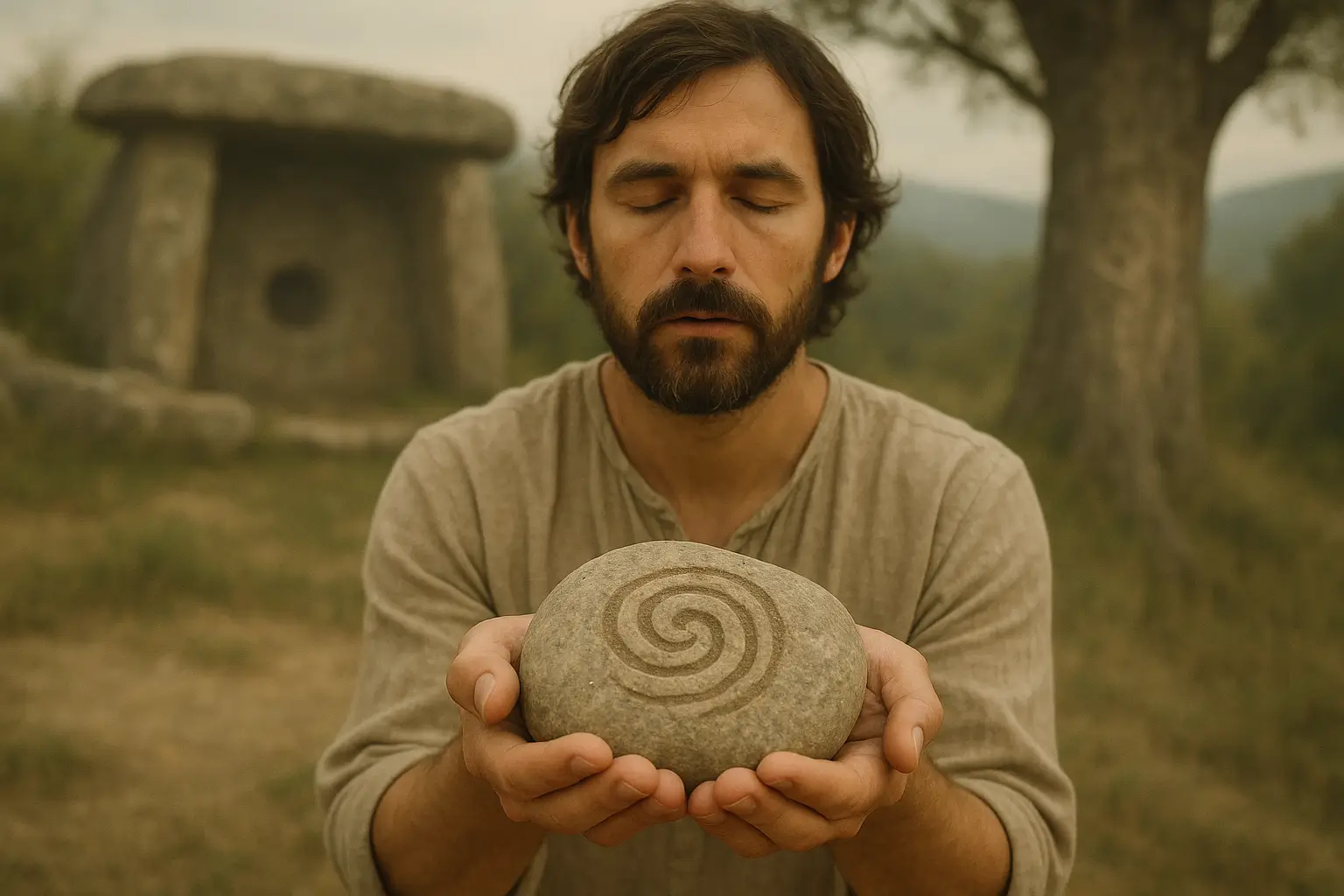
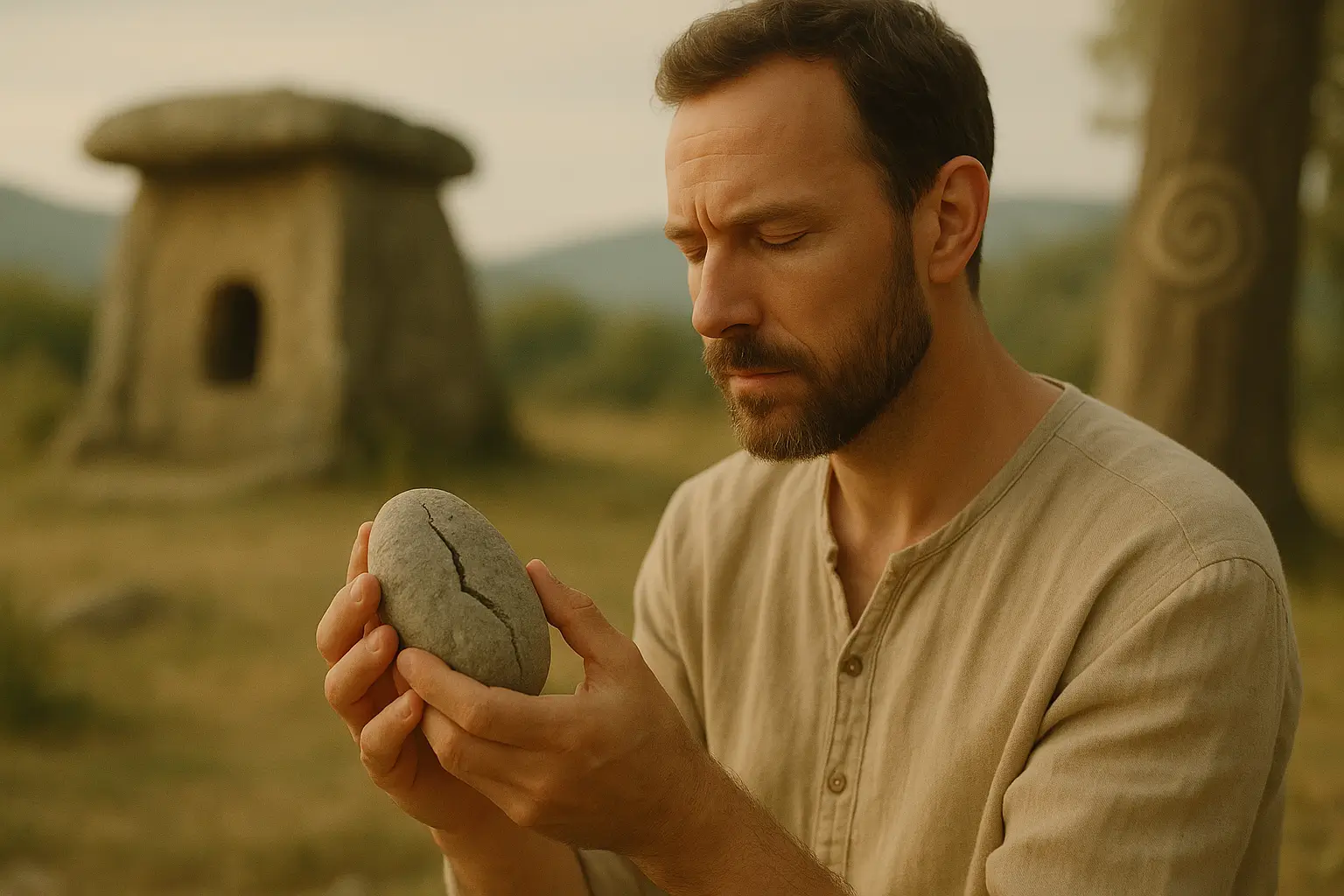
— Find a small, smooth stone during a walk. Hold it as an anchor in meditations; let it symbolize endurance and quiet wisdom.
— When overwhelmed, hold the stone and recite a simple phrase: “Ground. Be present.”
— Breathwork for Clarity
— 4-4-6 pattern: inhale 4 counts, hold 4, exhale 6. Repeat for 6–10 cycles to calm the nervous system.
— Soul Journaling
— After meditation, write 3‑5 lines about sensations, images, or messages that arise. Over time, patterns emerge.
Creating a Space of Love — At Home and in the City
A Space of Love is intentional and practical. It’s a sanctuary you can create anywhere—a corner of an apartment, a park bench, or a shared classroom.
— Choose a place and keep it simple
— A table with a candle, a small plant or stone, and a clean cloth is enough.
— Rituals for entering the space
— Light the candle with intention, ring a small bell, or wash your hands while inhaling deeply.
— Ethical foundation
— Let the space teach compassion: set boundaries (phone-free, judgment-free) and invite sincere listening.
— Offerings of attention
— Practice giving undivided attention to yourself or another for 5–15 minutes—no fixing, just presence.
Meditations and Mini-Rituals for Tomsk Seasons
Tomsk’s changing seasons support different practices.
— Winter (introspection, stillness)
— Candle-gazing meditation (10 minutes) to foster inner warmth.
— Gratitude walk: name three things the cold teaches you—resilience, clarity, rest.
— Spring (renewal, planting intentions)
— Seed-planting ritual in a pot: plant a seed, state an intention, tend it as a living reminder.
— Summer (expansion, community)
— River blessing: gather friends by the Tom (observing local rules), share short readings or songs.
— Autumn (harvest, review)
— Harvest journaling: note achievements, lessons, and what to release.
Learning Path: From Study to Embodied Wisdom
A gentle curriculum for those in Tomsk seeking structured growth:
— Foundations: weekly practices (walking, breathwork, journaling) for 6–8 weeks.
— Deepening: monthly guided meditations and reflective workshops (2–4 months).
— Integration: community practice and service—teach a friend, lead a simple circle.
— Lifelong: seasonal retreats or solo nature days to renew commitment.
Bringing This into Tomsk Life — Practical Suggestions
— Morning: 10 minutes of breathwork and journaling before the day begins.
— Commute: mindful steps through the city center or a single-sense listening on a tram.
— Work/Study Breaks: 3-minute grounding with the stone practice.
— Evening: 15-minute gratitude and review, candle or low light.
Finding Community and Teachers in Tomsk
— Look for groups at cultural centers, university spiritual societies, or local parks gatherings.
— Offer small meetups: “River Listening” walks or evening meditations in a café that supports quiet events.
— Use local bulletin boards and social networks (community groups, university lists) to share simple practices and invite others.
Ethical and Practical Notes
— Respect public spaces and local regulations when meeting by the river or parks.
— Prioritize consent and confidentiality in group sharing.
— These practices are complementary to professional mental health care—not a replacement. If you have trauma or severe mental-health concerns, seek trained support.
Closing — An Invitation from the Stones and the River
Tomsk’s landscape invites slow attention. The Dolmen Sages teach that wisdom is not a possession but a way of being—listening, tending, and giving back. Start with a small practice, create your own Space of Love, and let the Soul guide your steps. Over time, the city’s streets, the river’s edge, and the quiet of your home will become living teachers.
If you’d like, I can draft a simple 4‑week practice plan tailored to your schedule in Tomsk or suggest an outline for a public “River Listening” event you could host.