Introduction
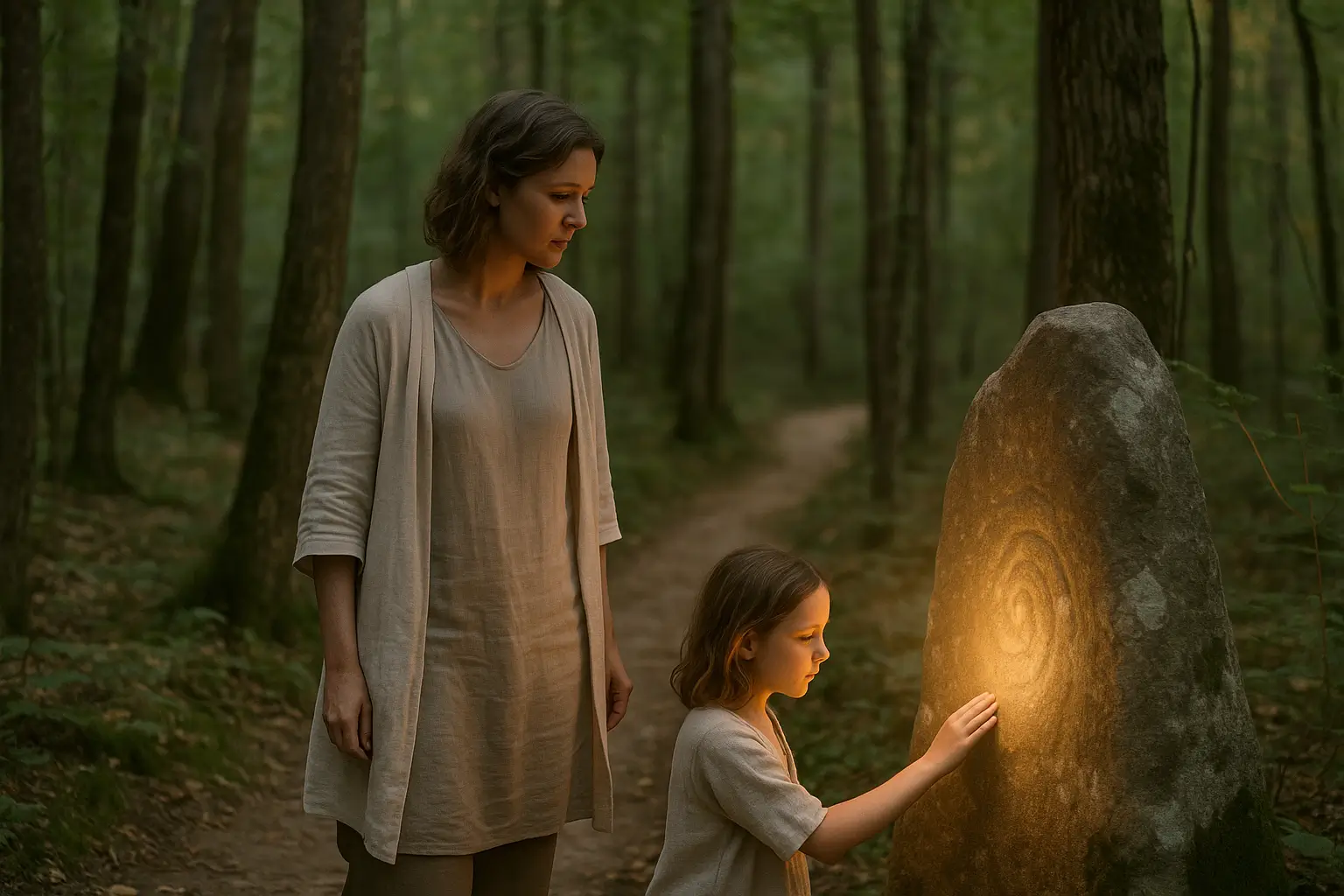
The Dolmen Sages teach with silence as much as with words. Their wisdom—rooted in attention, presence and the deep patience of stone—invites us into a way of life where the Soul leads, ancient rhythms are honored, and ordinary spaces become sanctuaries. In Tomsk, surrounded by the Tom River, wooden houses that remember generations, and the Siberian taiga beyond the city limits, these teachings can be woven into daily life to create a living practice of conscious, loving being.
The heart of the teaching
— *Soul-first discovery*: the Soul is not an idea but an intimate, palpable presence available when the mind quiets.
— *Dolmen patience*: like stones shaped by centuries, growth happens through small, steady attention and trust.
— *Space of Love*: a deliberately held environment—inner and outer—where vulnerability is safe and creativity thrives.
— *Conscious living*: choices made with attention to impact on self, others and the land.
Simple practices to begin (suitable for Tomsk rhythms)
1. Grounding at the Tom
— Find a quiet bench or riverbank along the Tom River. Stand or sit with bare hands on a stone or wooden railing. Breathe slowly for five minutes. Sense the river’s flow as a mirror for your inner movement.
2. Stone-Listening (5–10 minutes)
— Hold a small river stone. Close your eyes. Ask: “What do you wish to tell me about my pace?” Listen without answering. Let impressions come—images, words, feelings.
3. Soul Mapping (10–20 minutes)
— Journal three columns: What moves me? What drains me? What does my Soul ask for? Look for overlaps and small actions you can commit to for the coming week.
4. Breath-Anchor (morning and evening)
— Four-count inhale, seven-count hold, eight-count exhale. Five cycles to steady the nervous system and invite Soul clarity.
Creating a Space of Love — practical guide
A Space of Love can be a corner in a Tomsk apartment, a community room at the university, or a cleared patch beneath pine boughs outside the city.
Elements:
— Intention: start by naming the space—aloud or silently—and what it holds (safety, truth, rest, creativity).
— Grounding object: stone, piece of birch bark, or a small wooden talisman from Tomsk’s crafts.
— Softness: warm textiles, cushions, a shawl for winter. In summer, an open cloth to the sky.
— Light: candle, lamp or natural sunlight. In long Siberian winter nights, gentle lamplight supports presence.
— Sound: a bell or bowl for beginning/ending, or a playlist of quiet tones.
— Rules: no phones, respectful listening, non-judgment. Keep gatherings to agreed times and care.
Rituals for gatherings:
— Begin with a shared breath and bell.
— Each person shares from the Soul for a minute—no response beyond listening.
— Close with a grounding practice and an offer of gratitude to the land and ancestors.
Meditations inspired by Dolmen wisdom
1. The Slow Stone (10–15 minutes)
— Sit comfortably. Place palms on knees. Visualize a stone warming in the sun. As you breathe, feel the stone’s patience settle in your spine. If urgency rises, imagine placing it beside you—then return.
2. The Ancestral Thread (15–20 minutes)
— Sit with eyes closed. Trace back through memories—parents, grandparents, landscape—until you feel a tether to something older than your biography. Breathe into that thread; ask how it supports your next choice.
Adapting to Tomsk’s seasons
— Winter: focus inward. Use warm fabrics, shorter but deeper meditations, candlelit gatherings. Offer hot herbal tea and soups after practice.
— Spring: practice openings—river walks, early-morning meditations as ice thins.
— Summer: outdoor circles beneath the birches and pines. Hold full-moon river vigils.
— Autumn: gratitude rituals for harvest—what you gathered in work and love.
Living consciously—daily commitments
— Small yeses: choose one habit to love (sleep schedule, mindful meals, daily walk).
— Pause before reactivity: three breaths before responding to provocation.
— Offer labor as prayer: housework, study, craft—attend to it as a sacred gesture.
— Community care: teach one practice to a friend each month; host a sharing circle in a local library hall, a university space, or a riverside bench.
For teachers, students and seekers in Tomsk
— Use local fabric, woodcraft and river stones in your Space of Love—this honours place and reduces harm.
— Partner with university groups, cultural centers or neighborhood associations to host gentle workshops.
— Encourage intergenerational exchange—Tomsk’s wooden quarters hold memory; invite elders to share stories, local herbal knowledge and practical wisdom.
Invitation
Begin with one stone, one breath, one small circle. Meet the Soul in morning stillness or on a winter evening by the window. Let the patience of the Dolmen Sages teach you how to live slowly, clearly and lovingly in Tomsk—so that your life, like a well-tended stone, becomes a witness to what matters.
If you’d like, I can draft a 6-week practice plan tailored to Tomsk’s calendar, or a script for a 30‑minute guided meditation to use in your Space of Love.