Introduction
In the hush of Siberian pine and along the slow curves of the Tom River, a quieter way of learning and living can grow. Drawing on the imagined wisdom of the Dolmen Sages — ancient guardians of communal memory and inner knowing — this guide invites Tomsk residents to cultivate spiritual education rooted in the Soul, daily meditative practice, and the creation of a living Space of Love. Practical, place-aware, and gentle, these teachings are meant for students, parents, teachers, and anyone seeking a conscious life in this unique city.
The Dolmen Sages: a living symbol
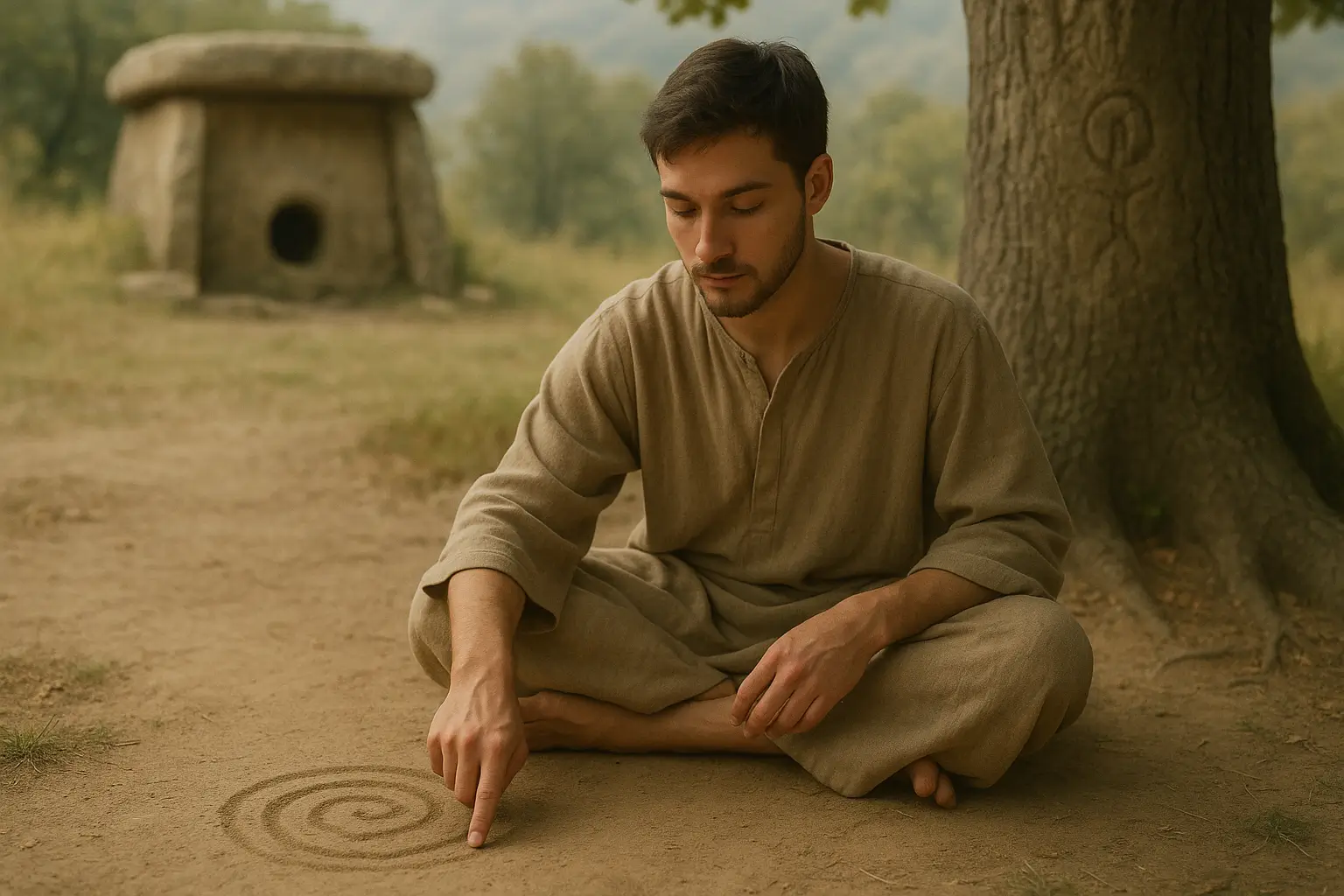
The Dolmen Sages are not a literal school but a symbolic lineage: people whose teaching centers the Soul, the lived wisdom of the body, and the stewardship of community. Their methods emphasize listening, rites of passage, silence, story, and reverence for the land. In Tomsk — with its academic energy, wooden architecture, and Siberian rhythms — these symbols translate into practices that blend ancient reverence with modern conscious living.
Why Soul-centered spiritual education matters
— Encourages inner autonomy and mature self-reflection rather than dogma.
— Builds emotional resilience for harsh winters and social transitions.
— Connects urban and natural life: river walks, taiga retreats, communal kitchens.
— Strengthens intergenerational ties: students, elders, families learning together.
— Supports local culture: creativity in theatre, music, and spoken-word gatherings.
Core practices — daily, weekly, seasonal
Below are practical practices inspired by the Dolmen Sages and tailored to Tomsk rhythms.
Daily: Grounding & Presence (10–20 minutes)
— Morning grounding (5–10 min): Sit by a window or step outside. Place feet on the ground, breathe slowly 4:4:4 (inhale:hold:exhale). Name three simple intentions for the day — short, true, and kind.
— Evening reflection (5–10 min): Light a small candle or place a stone on a windowsill. Reflect on one thing you noticed in others and one gift you received. Offer silent thanks.
Walking meditation: River & Taiga (20–40 minutes)
— Choose a stretch of the Tom River or a pine grove. Walk slowly, coordinating steps with breath (e.g., 4 steps inhale, 4 steps exhale).
— Focus on one sensory channel each lap (sound, sight, touch). Let thoughts come and go without judgment.
— Finish with three deep breaths and a quiet vow to carry one felt quality (calm, courage, generosity) into your next conversation.
Collective practice: Storycircle (60–90 minutes, weekly)
— Gather 6–12 people in a warm room or shared garden. One person hosts; another watches the time.
— Opening: brief centering silence (2–3 min).
— Each person has 7 minutes to speak from the Soul — a story, a fear, a discovery — while others listen without interruption.
— Closing: group gratitude and one action each member will take before the next meeting.
Seasonal rituals: Solstices & River Blessings
— Winter solstice: a communal lighting of lanterns, honoring inner light in the long night.
— Spring thaw: a river-edge ceremony of release — write what you no longer need on paper and commit to composting or respectful burning, followed by a short vow to new growth.
— Make these gentle, inclusive, and alcohol-free so all ages can participate.
Creating a Space of Love — home, classroom, community
A Space of Love is cultivated through intention, design, and ritual rather than perfection.
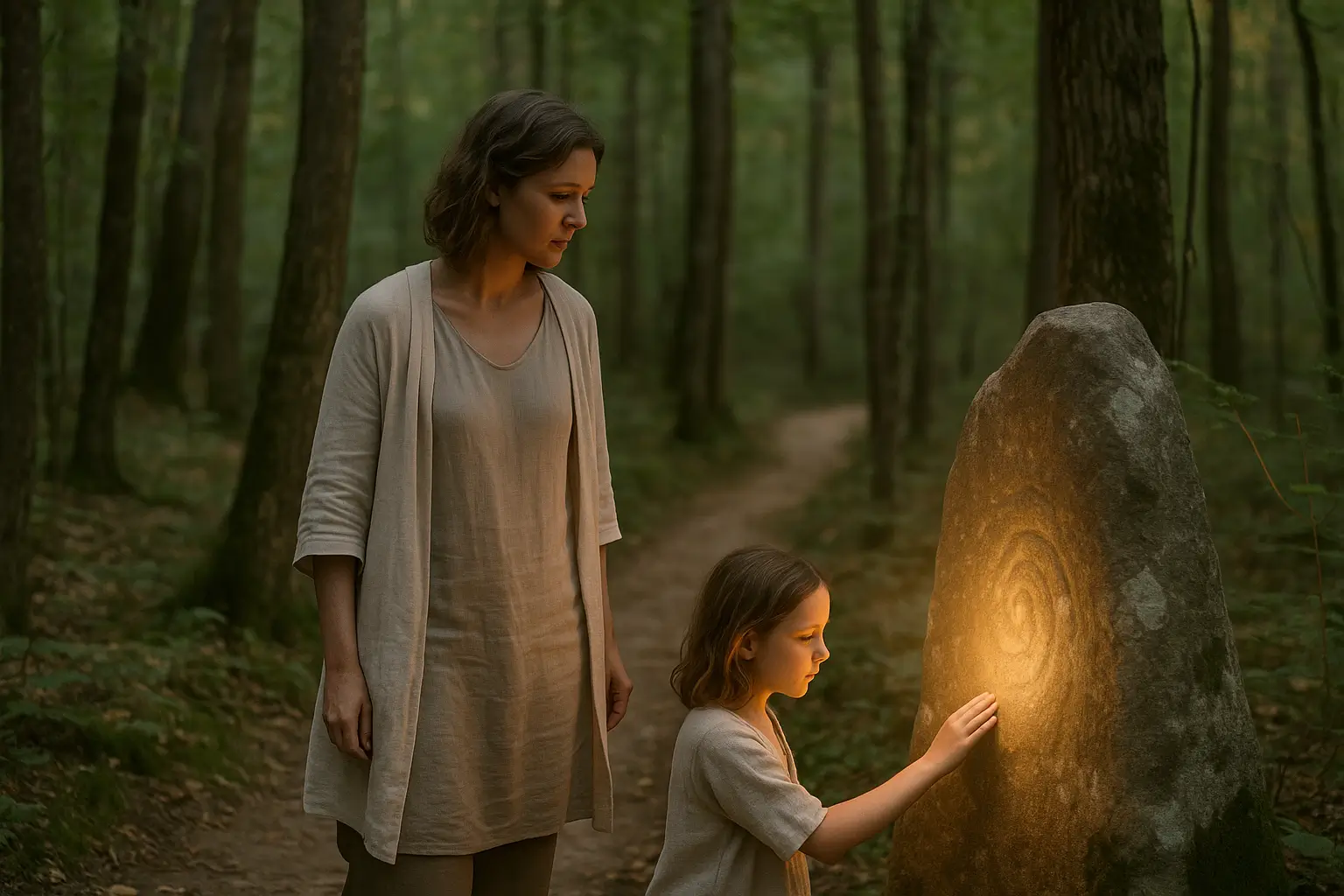
— Choose a focal object: a stone from the bank of the Tom River, a small icon, a plant, or a textile that feels alive.
— Dedicate a corner: a single shelf or table with soft textiles, a candle, and a notebook for shared reflections.
— Daily rhythms: ring a bell or play a short melody to signal transition times — morning learning, afternoon rest, family meal.
— Hospitality practice: rotate hosting among neighbors or classmates — bring simple tea, listen, and clear a small space for another person’s story.
— Classroom adaptation: begin and end lessons with a 2-minute centering, invite students to name feelings as part of learning, and practice restorative pauses instead of punitive reaction.
Meditation exercises (short and practical)
1. Breath-anchor (3–5 min)
— Sit upright, breathe naturally. Place attention on the soft rise and fall beneath the ribs. Each time the attention wanders, return without judgment.
2. Stone-holding (7–10 min)
— Hold a smooth stone, feel its weight and temperature. Breathe into the sensation and silently repeat a short phrase: “I am present.” This is grounding for anxious minds.
3. Mirror compassion (5 min)
— Look gently into your own eyes (or a small mirror). Say softly: “May I be kind to myself.” Let faces change without force. Repeat twice.
Programs & learning pathways in Tomsk
— Micro-retreats: 1–2 day gatherings in nearby countryside or dacha spaces for longer meditation, storywork, and nature practice.
— Community education: partner with university groups, libraries, or cultural centers to offer Soul-centered workshops — introductory sessions on mindful communication, grief rituals, or creative meditations.
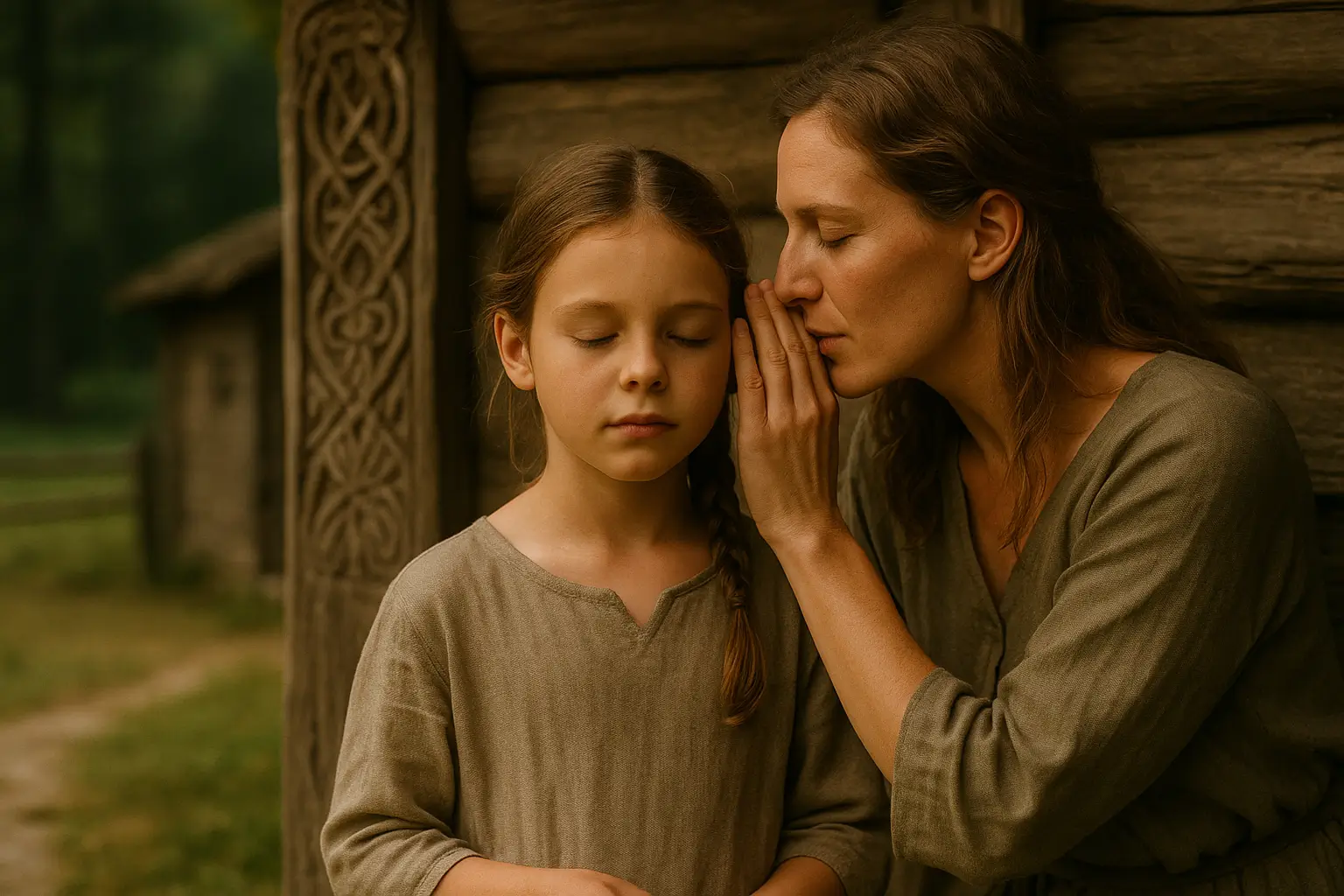
— Intergenerational apprenticeships: pair elders with young learners for weekly storytelling, craft, or herbal-garden sessions that transmit local wisdom and language.
Living consciously in Tomsk — seasonal tips
— Winter: use the long nights for inner study and small communal rituals. Prioritize warmth, light, and short, regular outdoor breathwork.
— Spring: practice river-reflection walks as the thaw begins; this is a natural time for release and new vows.
— Summer: hold outdoor gatherings in pine clearings and by the riverbank; invite music, poetry, and movement.
— Autumn: harvest gratitude — invite neighbors to a shared meal of preserves and roasted root vegetables as a simple rite of abundance.
Ethics & inclusivity
— Make practices optional, non-dogmatic, and accessible for different faiths and beliefs.
— Honor consent: no forced sharing; always give people the option to pass.
— Prioritize safety: for outdoor rituals, check weather and prepare for cold; ensure first-aid basics and clear meeting logistics.
Bringing it together: a gentle starter week
— Day 1: Morning grounding + 10-minute walk by the Tom River.
— Day 2: Breath-anchor twice (morning, evening).
— Day 3: Stone-holding practice