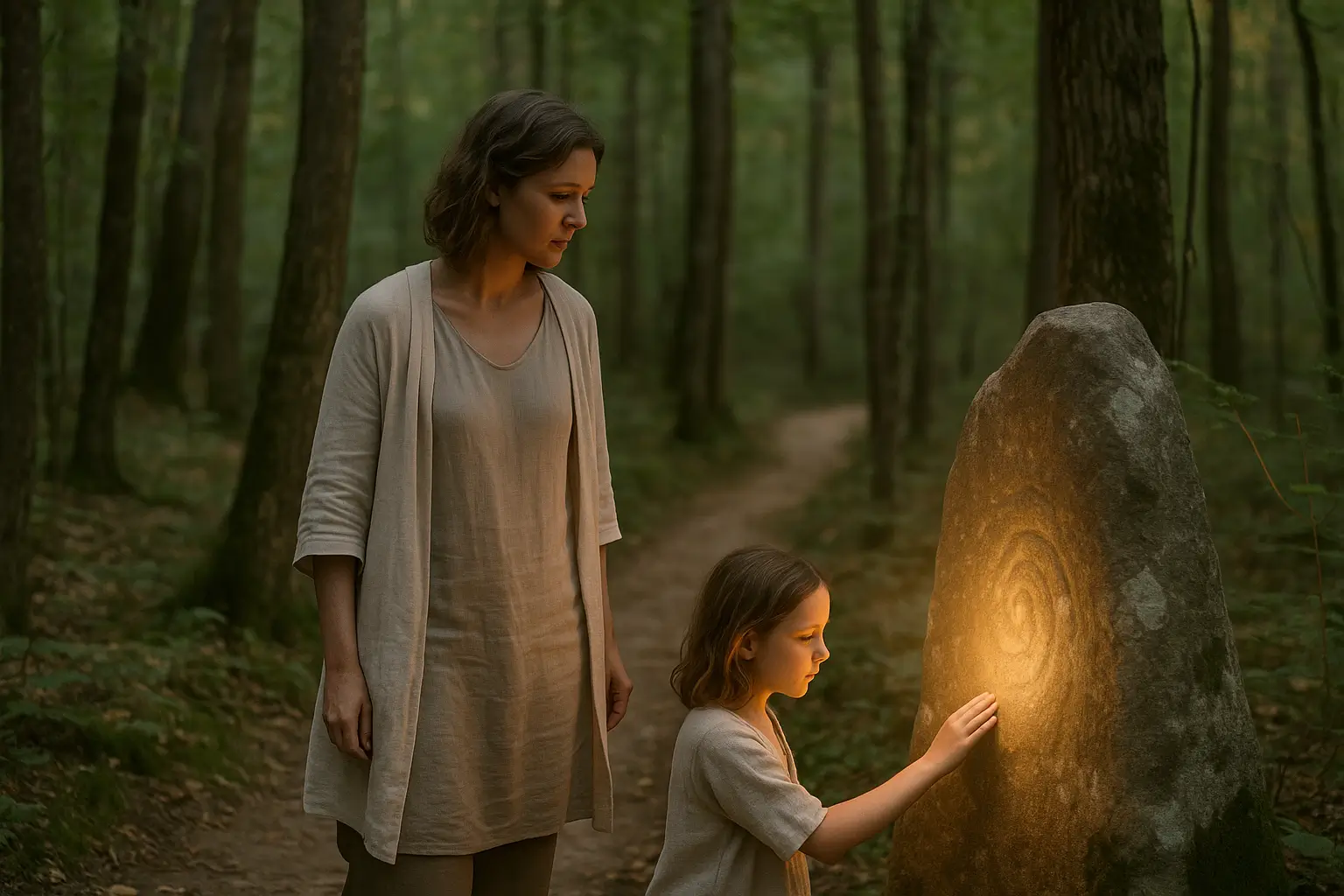
Dolmen Wisdom in Tomsk: Soulful Paths to a Space of Love and Conscious Living
This article offers a gentle bridge between ancient, megalithic-inspired teachings—the imagined *wisdom of the Dolmen Sages*—and practical, modern spiritual education for people living in Tomsk. It blends meditative practice, Soul-centered self-discovery, and everyday techniques for creating a *Space of Love* and a life lived with conscious intent.
Why Dolmen Wisdom for Tomsk?
The Dolmen Sages evoke the solidity, silence, and deep-rooted connection to Earth that megalithic places suggest. In Tomsk, surrounded by taiga, rivers and historic wooden neighborhoods, that same stillness is accessible. The teaching becomes a method: use physical place, breath, and attention to remember the Soul, cultivate compassion, and live with clarity.
Core Principles
— *Grounding in presence*: the body and breath are the doorway to Soul-awareness.
— *Reverence for place*: nature and architecture in Tomsk become teachers and anchors.
— *Simplicity of ritual*: small, repeatable practices build inner architecture.
— *Heart-centered intelligence*: decisions guided by love and soulful discernment.
— *Community and solitude*: balancing inward work with shared support.
Daily Practices (Simple, 10–20 minutes)
— Morning Grounding (5–10 min)
— Sit by a window or on the Tom River embankment. Breathe 4–4–6 (inhale–hold–exhale counts), imagine roots growing from your spine into the Earth.
— Whisper: “I enter the day from peace.” Repeat three times.
— Midday Soul Pause (3–5 min)
— Place one hand on your heart. Inhale: feel, exhale: soften. Ask: “What does my Soul need now?” Listen.
— Evening Reflection (10 min)
— Light a candle or a small lamp. Journal three things you felt with presence today, one choice aligned with love, and one small lesson.
Guided Meditation: The Dolmen Journey (12 minutes)
— Find a quiet spot—park bench, Sosnovka pine grove, or a cozy corner at home.
— Posture: spine tall, hands resting on thighs.
— 1–2 minutes: slow breath, relax jaw and shoulders.
— 3 minutes: visualize a stone dolmen—ancient, silent, warm with moss. Approach it. Feel its weight and wisdom.
— 4 minutes: step into the dolmen’s shelter in your imagination. Allow the silence to answer. Ask one question from your heart (e.g., “What do I most need to hear?”).
— 2–3 minutes: receive an image, phrase, or feeling. Thank the place. Slowly return, carrying a small piece of its stillness.
Creating a Space of Love — 7 Practical Steps
1. Clarify intention: write a sentence—“This space supports presence, healing and honest care.”
2. Clean: physically tidy and energetically sweep corners (open a window, set a small bowl of salt or bread symbolically).
3. Choose one anchor: candle, bowl of river water, living plant or small stone from a walk in taiga.
4. Set boundaries: define times for uninterrupted practice (e.g., 20 minutes each morning).
5. Invite senses: use a soft blanket, essential oil (pine, cedar, or lavender), or gentle music by an open window.
6. Offer and receive: place a notebook for gratitude and a simple bell to mark beginnings and endings.
7. Share gently: occasionally invite a friend for a short shared meditation or reading, honoring quiet and consent.
Soul Mapping — Journal Prompts
— Describe how your body knows you are aligned with the Soul.
— When in Tomsk’s landscape do you feel most alive? Why?
— Which small habit could you change to act from love rather than fear?
— What is a secret longing your Soul keeps returning to?
Weekly Structure for a Beginner’s Course (4 Weeks)
— Week 1 — Foundation: Breath, grounding, basic meditations, creating your Space of Love.
— Week 2 — Listening to the Soul: guided imagination, journaling, dream noticing.
— Week 3 — Ancient Teachings Applied: ethics of care, mindful speech and work, ritual for daily life.
— Week 4 — Integration: group sharing, creating personal practice plans, service pledge.
Suggested session length: 90–120 minutes once per week + daily micro-practices.
Where to Practice in Tomsk (Ideas)
— Sunrise on the Tom River embankment for breathwork and orientation to day.
— Pine forests (Sosnovka-style groves) for shamanic-style walking meditation and listening.
— Quiet corners of old wooden neighborhoods for contemplative walking and study.
— Indoor: a small room at home, a community hall, or a university space for group classes.
Teaching Methods & Materials
— Story-based teachings inspired by dolmen imagery (not claiming historical authenticity).
— Short recorded guided meditations for daily practice.
— Weekly reflective prompts and accountability pairs.
— Simple handouts: breath charts, ritual checklist, journaling pages.
Living Consciously — Everyday Tips
— Single-task: do one household chore with full attention as a meditation.
— Food as devotion: eat one meal per day in silence, savoring each bite.
— Digital boundaries: set two daily windows without devices.
— Small acts of care: send a brief note of appreciation to someone each week.
For Teachers and Facilitators
— Begin with clarity: state intention and consent for all practices.
— Meet people where they are: offer progressive levels of depth.
— Honor local culture and environment: integrate seasonal rhythms of Tomsk (light cycles, river thaw/freeze).
— Encourage service: translate practice into acts of hospitality and environmental care.
Reading & Listening (Starter List)
— Intro to breathwork and presence (modern guides).
— Collections of short contemplative poems and nature essays.
— Books on ritual and sacred spaces (practical, not dogmatic).
(Select resources based on availability in Russian and English; local libraries and