Introduction
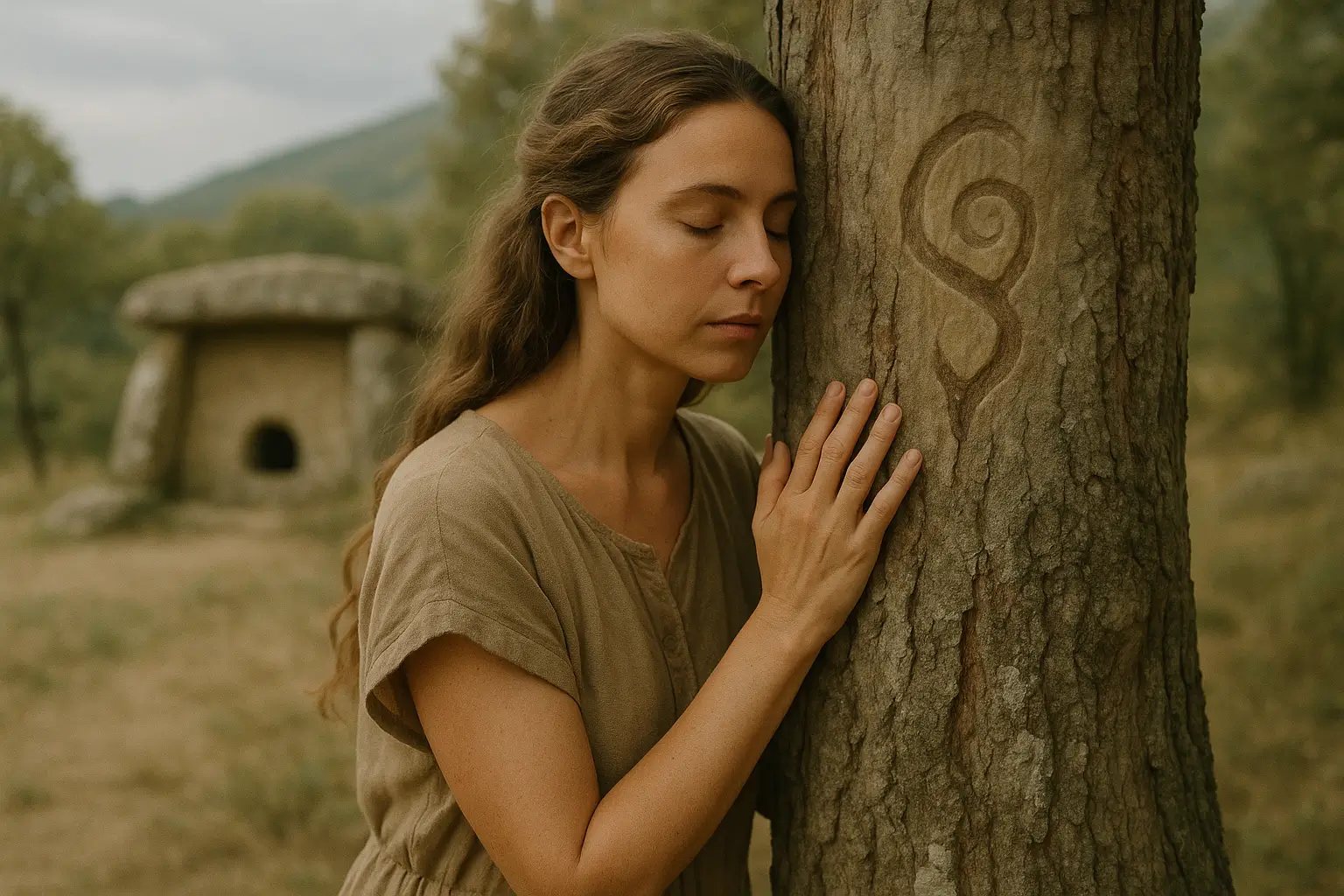
In the hush between the birches and the slow curve of the Tom River, a contemporary pathway opens to ancient ways. Inspired by the symbol and spirit of the Dolmen Sages—keepers of threshold wisdom—this guide offers practices for self-discovery through the Soul, meditations drawn from ancestral imagery, and practical steps to create a living *Space of Love* in Tomsk. These are invitations, not dogma: ways to bring conscious living into daily life here, whether you stroll the embankment, study in a university courtyard, or warm yourself by a windowsill in a Siberian winter.
Core Principles
— *Listen first.* Soul-led wisdom begins with quiet, patient listening.
— *Thresholds transform.* Like a dolmen’s entrance, you stand between what was and what becomes.
— *Love is practical.* A Space of Love is created by repeated small acts, clear boundaries, and honest presence.
— *Roots and openness.* Honor ancient patterns but stay curious and adaptable.
— *Community matters.* Individual inner work thrives when shared with others in respectful circles.
A Weekly Practice Framework
Simple rhythms help ancient insights land in modern life. Try this adaptable pattern:
— Monday — Grounding and intention: 10–15 minutes of breath and setting a weekly intention.
— Wednesday — Soul journaling: 20–30 minutes of free writing, listening for images, desires, or callings.
— Friday — Movement and embodiment: walking meditation along the Tom River embankment or a gentle forest walk.
— Sunday — Circle or altar: small group gathering, sharing, or tending a personal altar.
Practices and Meditations
1. Morning Threshold: 5–7 Minute Gateway Meditation
— Sit or stand near a window that faces light.
— Close your eyes and inhale for four counts, hold two, exhale six.
— Imagine a low stone doorway—smooth, mossed, warm from long seasons. This is your inner dolmen gate.
— Step through in your mind. Notice one word or image that greets you. Carry it into your day.
2. Walking the Tom River: Moving Soulfulness
— Choose a section of the embankment or a quiet park path.
— Walk slowly, matching breath to steps (inhale 3 steps, exhale 3 steps).
— With each inhale, invite presence. With each exhale, release a small worry.
— After 10–20 minutes, stand, place hands over heart, and name aloud one gratitude.
3. Soul Journaling: Dialog with the Inner Sage
— Light a candle or place a small river stone nearby.
— Begin with: “Dear Soul, what wants my attention today?” Write without editing for 10–20 minutes.
— End by circling one sentence that feels alive. Let it be your practical anchor.
4. Evening Closure: The Return Ritual
— Before sleep, sit with a cup of herbal tea (chamomile, mint, or local blend).
— Place your palms to your sternum and silently say: “I return now. I keep what is true. I let go of the rest.”
— Breathe slowly for five cycles and rest.
Creating a Space of Love (at home and in community)
At Home
— Choose a small corner as your altar/space: a shelf, a table by the window, or a wooden board.
— Use natural materials: a smooth river stone from the Tom, a sprig of birch, a small bowl of earth or clay, a candle.
— Keep three items: an object that grounds you, an image that inspires you, and a daily reminder (a folded note with an intention).
— Maintain it weekly: dust, rearrange, add seasonal items.
In Tomsk: Local Ideas for Communal Spaces
— Host a monthly gathering in a cozy café or university common room—simple format: welcome, short meditation, sharing circle, and a practical skill (breathwork, journaling).
— Organize a seasonal outdoor day at a riverside park or near the Botanical Garden of Tomsk State University—rituals to honor transitions and community potluck.
— Offer seed exchanges or small craft workshops (making prayer flags, clay talismans) that use local materials and respect nature.
Seasonal Considerations (Siberian Context)
— Winter: Prioritize warmth and shorter practices. Use light (lamps, candles) and focus on inner flame meditations. Short, seated breathwork and warming teas support practice.
— Spring: Engage in outward tending—planting seeds, decluttering, walking longer routes.
— Summer: Deepen outdoor meditative walks and community circles by the river.
— Autumn: Reflective journaling and release rituals—letting go of what no longer serves.
Practical Tools and Resources
— Materials to keep: a small notebook, a favorite pen, a plain cloth for your altar, one grounding stone, seasonal natural finds.
— Apps and recordings: use gentle ambient sounds or guided meditations for the first weeks, then practice silence.
— Local partners: invite friends, student groups, or neighborhood associations to co-create events; look for quiet venues in the historic wooden quarter or university spaces.
A Short Guided Visualization to Use Anywhere
1. Sit upright. Breathe slowly three times.
2. Picture a low ancient stone doorway. Feel its cool texture under your hand.
3. Step through and enter a circle of soft light. In the center, a small flame or seed rests.
4. Ask silently: “What is needed now?” Wait. Notice the first image, word, or sensation.
5. Bow slightly to the insight, thank it, and imagine yourself stepping back through the doorway, carrying that single seed or flame in your palm.
6. Open your eyes and write one sentence about what you received.
Closing Invitation
The Dolmen Sages, as symbol and guide, invite you to practice thresholds—small acts that shape a life of attention, love, and conscious choice. Start where you are in Tomsk: a bench on the embankment, a quiet room in an old wooden house, a university courtyard. Begin simply, keep compassionate discipline, and share generously. Over time the Space of Love grows—stone by stone, breath by breath.
If you’d like, I can help you design a monthly program for a Tomsk circle, draft a short guided meditation audio script in Russian, or suggest seasonal rituals tailored to your neighborhood. Which would you prefer next?