Dolmen Wisdom in Tomsk: Soulful Practices for a Space of Love
Tomsk — by the wide Tom River, framed by Siberian taiga and the town’s lacework of wooden houses — is a place that invites quiet attention. Here we can bring the ancient, grounded teachings of the Dolmen Sages into modern life: an approach to spiritual education rooted in the body, the land, and the Soul. Below are principles, meditations, and practical steps to open a Space of Love in your home, community, and day-to-day life in Tomsk.
The core of Dolmen wisdom (short and practical)
— *Ground first*: like stones settled in the earth, stability and presence are primary.
— *Listen more than you speak*: the landscape, the body, the Soul all carry intelligence.
— *Honor cycles*: seasons, breath, sleep, and community rhythms guide growth.
— *Use simple rituals*: small, repeatable actions transform attention into devotion.
— *Share gently*: teaching and practice prosper in circles of respect and reciprocity.
Self-discovery through the Soul — essential practices
— Soul Journaling: each morning, write 5–10 minutes without editing. Start with “Today my Soul asks…” and let sentences flow. Revisit weekly for patterns.
— Body-anchoring: name sensations in your body for 1–2 minutes when you wake and before sleep. “I feel warmth in my chest,” or “my feet are rooted.” This reconnects mind to the lived experience.
— Dream-harvesting: keep a notebook by your bed. Capture images and feelings from dreams; over time, themes reveal soul-calls and guidance.
— Nature attunement: weekly walks along the Tom River or in a nearby pine grove, practicing silence and slow, attentive breathing.
Daily meditations and rituals (simple, actionable)
1. Grounding Breath (3–5 minutes)
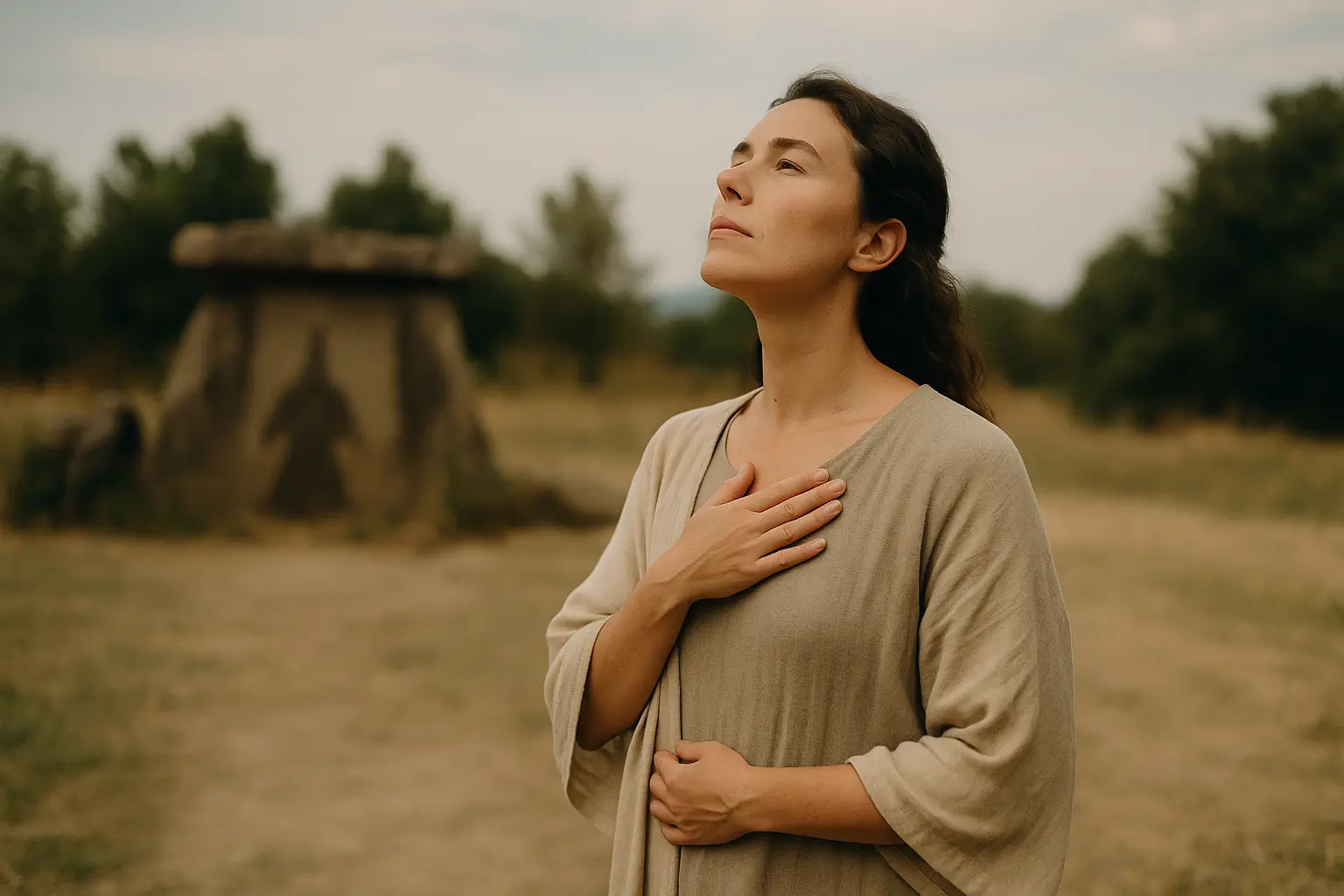
— Sit or stand with feet on the floor. Inhale for 4 counts, hold 2, exhale 6. Imagine breathing into your feet, into the earth beneath Tomsk. Repeat 8–12 cycles.
2. Stone-Soul Meditation (10–15 minutes)
— Find or hold a small river-stone or piece of Siberian pine. Close your eyes. Feel its weight. Ask silently: “What do you remember?” Wait, breathe, and listen. Let one image or feeling come. Thank the stone and record what arose.
3. River Listening (15–25 minutes, weekly)
— Sit by the river. Turn off devices. Breathe with the sound of flowing water. Notice metaphors and inner images that surface. End with a simple dedication: “May what I learned here be offered in love.”
4. Evening Release (5 minutes)
— Name three things you carried through the day and release them with an out-breath: stress, judgment, regrets. Replace with one small gratitude.
Creating a Space of Love — step-by-step
— Choose a corner or a small table by a window. Aim for consistency rather than perfection.
— Clear clutter; keep only objects that evoke calm, meaning, or function.
— Create a simple altar with local elements: a small river stone, a sprig of pine or larch, a candle or lamp, and a bowl of water. Change seasonal items monthly.
— Light a practice signal: a candle, bell, or soft music to begin/close practices.
— Use language of invitation, not obligation: a sign that reads “This corner invites gentle presence” or a daily prompt.
— Set boundaries: designate times when the space is reserved and ask housemates to respect that.
— Offer hospitality: invite one person a week for a short shared practice—tea, a reading, a guided breath.
Conscious living in Tomsk — integration ideas
— Eat seasonally and mindfully: savor rye bread, mushrooms, berries, root vegetables; notice textures and gratitude.
— Commute as practice: on tram or bike, do a short grounding breath and scan your body once before arriving.
— Community-learning: form a small study circle at a café or university room to read ancient teachings, practice guided meditations, and share reflections.
— Volunteer with local nature or elder-care projects as a way to embody service and presence.
— Celebrate local seasonal rites: mark solstices, equinoxes, or river-thanksgiving moments with simple gatherings or solitary rituals.
A 7-day mini-practice for beginners
Day 1 — Grounding Breath (morning) + 5 minutes journaling (evening)
Day 2 — Stone-Soul Meditation (10 min) + nature walk (15 min)
Day 3 — Body-anchoring mornings + evening release
Day 4 — River Listening (visit the Tom River or listen to water sounds)
Day 5 — Create or refresh your altar; add a personal intention
Day 6 — Offer a short practice to a friend (15–30 min shared meditation)
Day 7 — Reflective journaling: what shifted? What will you continue?
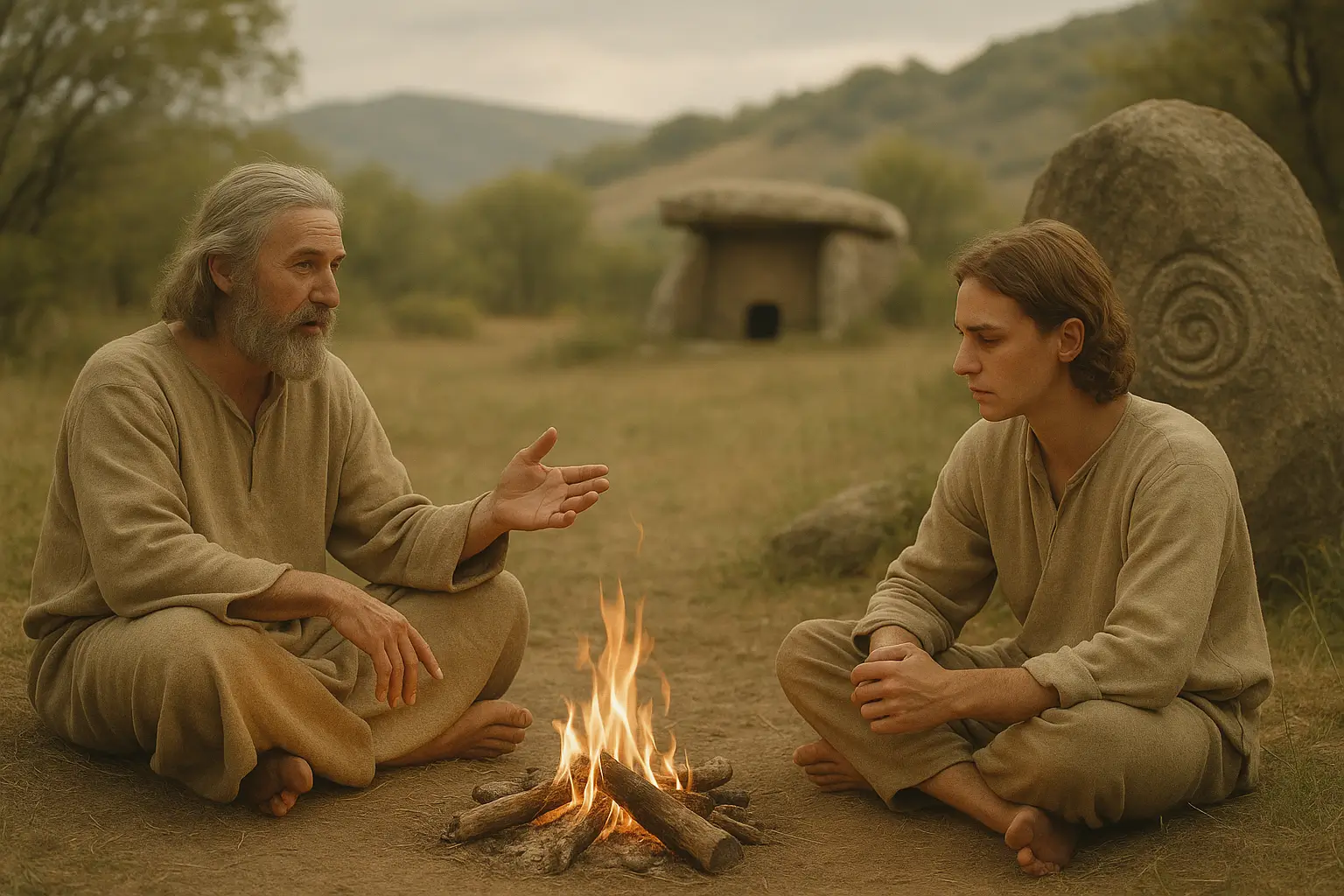
Hosting a small Circle of the Dolmen Sages (guidelines)
— Keep it to 6–12 people for intimacy. Choose a quiet indoor space or a sheltered outdoor spot by trees or river.
— Structure: brief welcome → grounding breath → sharing of intention → 15–20 minute guided meditation → silent listening or paired reflections → short teaching or reading → closing gratitude.
— Start with a simple rule: speak from your own experience; no cross-talk during sharing.
— Close with a practical offering: a footbath, shared herbal tea, or a communal song.
Short rituals and mantras
— Mantra for grounding (say silently or aloud): “I am here. I am held.”
— Evening affirmation: “I honor my small steps.”
— Quick ritual when entering your Space of Love: touch the stone on your altar, breathe three times, name one intention.
Final invitation
The Dolmen Sages teach us that wisdom is both ancient and immediate: found in weathered stone, in tree rings, and in the small steady practices of daily life. In Tomsk you have the river, the forests, and a living community as allies. Begin simply — a stone, a breath, a journal — and let the rest unfold