Introduction
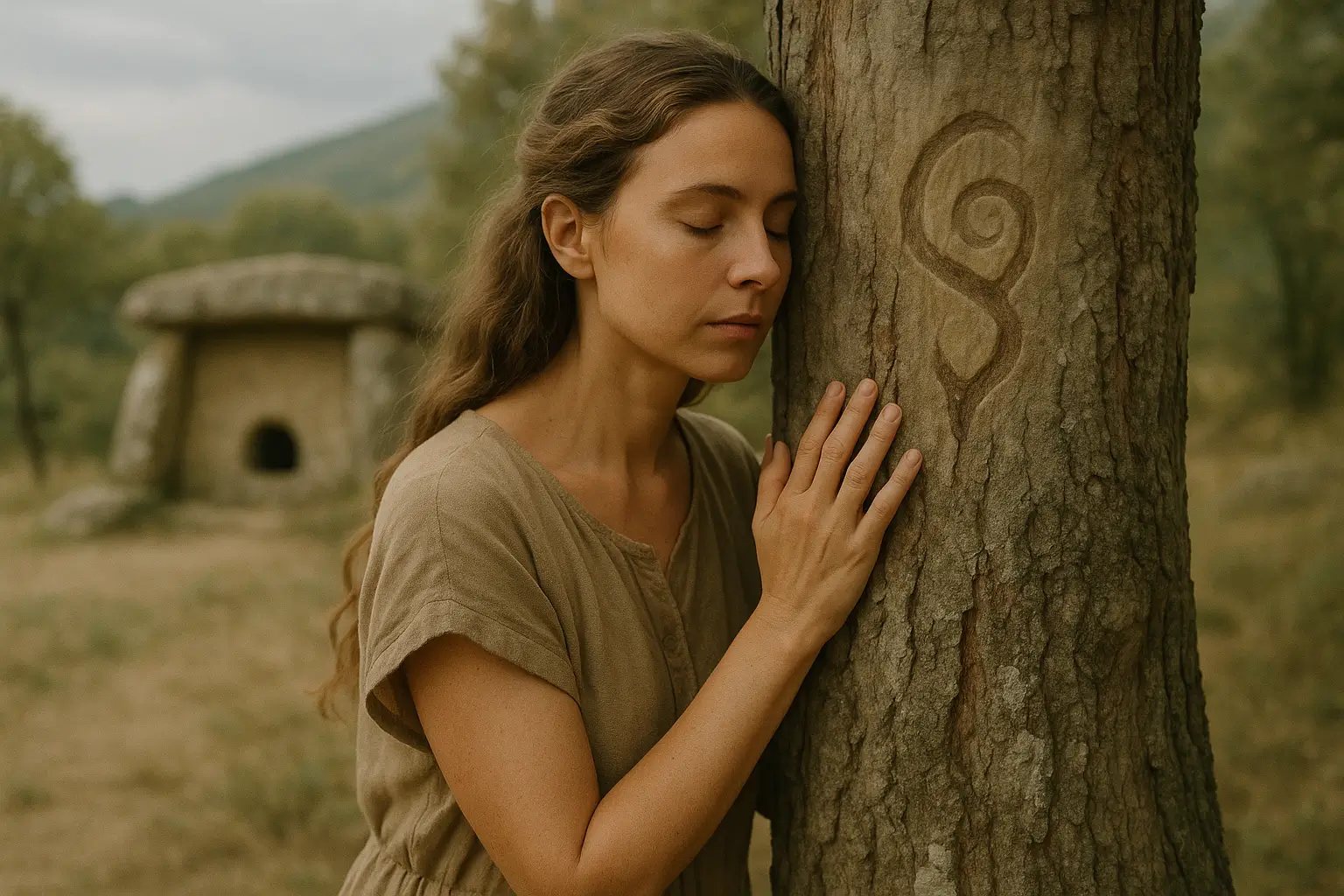
In the long winters and bright summers of Tomsk, the Soul seeks shelter and revelation. Drawing inspiration from the symbolic wisdom of the Dolmen Sages — ancient teachers of stone-listening, inner-mapping and communal care — this guide invites you to a path of spiritual education and practice. It blends meditations, simple rituals, and everyday choices to help you discover the Soul, create a *Space of Love*, and live more consciously in the unique landscape of Tomsk.
The Spirit of the Dolmen Sages — What to Take and What to Leave
— The Dolmen Sages are a symbolic source: their teachings are image-based, elemental, and centered on deep listening.
— Use them as a living metaphor — for grounding, patience, and the art of receiving — rather than as literal history.
— Let the stones teach steadiness, let the river teach flow; integrate both in your inner practice.
Where to Practice in Tomsk
— Tom River embankment: walking meditations at sunrise or dusk when the city quiets and the water simplifies thought.
— University Botanical Garden: a place for contemplative sitting, seasonal observation and plant-based rituals.
— Historic wooden quarters: practice presence among human-made memory, honoring ancestors in craft and architecture.
— Nearby pine and birch forests: for forest-bathing, breathwork, and a nature-based altar using found objects (pine cones, birch bark, river stones).
— Home spaces: transform a corner of your flat into a small, resilient *Space of Love* for daily return.
Creating a Space of Love — Practical Steps
A Space of Love is simple, steady, and anchored in intention.
1. Choose a corner that receives light and can be kept tidy.
2. Cleanse it physically and symbolically (sweep, open a window, ring a small bell or clap).
3. Select three anchors:
— A natural object (a stone, a piece of birch, a small glass of river water).
— A symbol of care (a photograph, a hand-written intention, or a token from a loved one).
— A tool for practice (a candle, cushion, journal, or singing bowl).
4. Arrange the anchors with care; keep the surface uncluttered.
5. Set a simple vow: “I return here to listen, to breathe, and to choose love.” Repeat silently when you enter.
6. Maintain: spend 5–20 minutes daily here — breathing, reading, sitting in silence, journaling, or offering gratitude.
Meditations and Practices
— Breath of the Dolmen (5–10 minutes)
— Sit comfortably in your Space of Love or on a park bench.
— Inhale for 4 counts imagining grounding into the stone beneath you.
— Hold for 2 counts.
— Exhale for 6 counts imagining tension draining into the earth.
— Repeat 8–12 cycles. End by placing your hand over your heart.
— Stone Listening (10–20 minutes)
— Hold a small stone from a river or selected at a market.
— Close your eyes and listen: what does the stone “say”? Let images, words or sensations arise without judgment.
— Ask three simple questions: What wants attention? What wants release? What wants blessing?
— Write one insight in your journal.
— River-Soul Walk (20–40 minutes)
— Walk along the Tom River slowly. Each time your mind shifts, anchor it to one of your senses (sight, sound, scent, touch).
— Offer a soft intention for the city: “May this river remind us to move kindly.”
— Conclude with a standing gratitude pause facing the water.
— Birch Breath Cleansing (winter adaptation)
— If you cannot reach a forest, bring birch twigs or imagery to your Space of Love.
— Combine a short breath ritual with visualized steam and release, replicating the cleansing of a banya.
Practices for Groups and Local Communities
— Monthly Stone Circle: meet in a botanical garden glade or community hall. Begin with shared silence, read a short image-poem inspired by the Dolmen Sages, then practice guided breathwork and finish with participants sharing one insight.
— Soul Study Evenings: read ancient myths and local folklore together, discuss inner archetypes and how to live their wisdom.
— Community Space of Love Pop-ups: set up a simple altar and invitation at a neighborhood café or library for people to drop in for a 10-minute practice.
A 7-Day Micro-Retreat (Tomsk Version)
Day 1 — Grounding: Create your Space of Love; short Stone Listening.
Day 2 — Breath: Breath of the Dolmen twice daily.
Day 3 — Nature: A slow walk by the Tom River; collect a small natural token.
Day 4 — Silence: 20–30 minutes silent sitting in your space or a quiet park nook.
Day 5 — Sharing: Invite a friend for a joint practice and conversation about inner discoveries.
Day 6 — Ritual: A simple home ritual of offering (tea, candle, a note) for someone you love.
Day 7 — Integration: Journal insights, set three small daily habits to continue (e.g., 5-minute morning breath, weekly river walk, monthly stone circle).
Journaling Prompts for Soul-Discovery
— When I am still, what wants my attention?
— Where in my life do I harden like a stone — and where do I need flow like a river?
— Who taught me to love? How do I practice that teaching now?
— What does a Space of Love feel like when I enter it with no agenda?
Living Consciously in Tomsk — Daily Habits
— Begin the day with a single breath ritual and a short intention.
— Move with seasonal attention: slow down in winter, expand in summer.
— Choose one local act of care weekly (help a neighbor, pick up litter along the embankment, visit an elder).
— Nourish the body and the Soul: combine simple, nourishing food with quiet gratitude.
Resources and Further Study
— Explore local university lectures, folklore collections, and botanical workshops to deepen knowledge of place and tradition.
— Swap books and poems at community gatherings; a living library of personal wisdom is a modern dolmen.
— Find or form small study circles to sustain practice and accountability.
Closing Invitation
Tomsk’s light — from white winter nights to long summer evenings — is a generous teacher. Let the Dolmen Sages’ archetypes